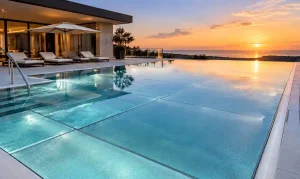
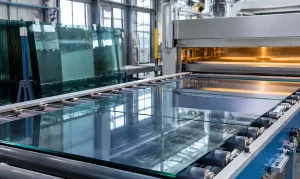
Modern architecture is increasingly shaped by transparency, scale, and visual continuity. Among the materials driving this transformation, oversized architectural glass has become a defining feature of contemporary buildings. From iconic skyscraper facades to expansive interior spaces, large-format glass panels allow architects to push design boundaries while maintaining performance and safety.
This complete guide explores what oversized architectural glass is, why it is widely adopted, key applications, technical considerations, and how experienced manufacturers like Henan Zhongbo Glass Co., Ltd. support modern construction projects with advanced glass solutions.

What Is Oversized Architectural Glass?
Oversized architectural glass refers to custom-manufactured glass panels that exceed conventional size limits used in standard construction. These panels are designed to create uninterrupted visual surfaces and are commonly used in large-scale architectural projects.
Depending on project requirements, oversized glass may be engineered as:
l Tempered safety glass
l Laminated glass
l Insulated Glass Units (IGU)
l Low-iron, Low-E, or coated glass
Each panel is precisely designed to meet structural integrity, safety regulations, and aesthetic goals.
Why Oversized Glass Is Essential in Modern Architecture
1. Maximizing Natural Daylight
Large glass panels allow more daylight to penetrate deep into interiors, improving occupant comfort, reducing energy consumption, and supporting sustainable building design.
2. Seamless Visual Connection
Oversized glass creates a strong visual link between indoor and outdoor environments, enhancing openness and spatial continuity.
3. Clean, Contemporary Aesthetics
By reducing visible joints and frames, large-format glass supports minimalist and modern architectural styles favored in commercial and high-end residential projects.
4. Enhanced Building Performance
When combined with advanced coatings and insulation technologies, oversized glass can deliver excellent thermal insulation, UV protection, and acoustic performance.
Key Applications of Oversized Architectural Glass
1. Curtain Walls and Building Facades
Large glass panels are widely used in curtain wall systems for office towers, hotels, and mixed-use developments, delivering striking visual impact and panoramic views.
2. Skylights and Atriums
Oversized roof glazing brings natural light into large interior spaces such as shopping malls, airports, museums, and public halls.
3. Interior Architectural Elements
Glass feature walls, stair enclosures, partitions, and balustrades benefit from oversized glass to maintain openness without compromising safety.
4. Luxury Residential Projects
Floor-to-ceiling glass walls and oversized sliding systems are popular in high-end villas and apartments, enhancing views and architectural elegance.
5. Public and Cultural Buildings
Oversized glass is commonly used in libraries, exhibition centers, transportation hubs, and civic buildings to create iconic and welcoming spaces.
Technical Considerations for Oversized Glass Projects
Structural Safety and Load Resistance
Due to their size, oversized glass panels must withstand wind pressure, seismic loads, and impact forces. Laminated and tempered configurations are essential for safety compliance.
Transportation and Installation Challenges
Large-format glass requires specialized handling equipment, secure packaging, and experienced installation teams to prevent damage and ensure precision.
Thermal and Acoustic Performance
Modern oversized glass solutions can integrate:
l Insulated glazing units (IGU)
l Low-E coatings
l Acoustic interlayers
These features help meet energy efficiency standards and sound insulation requirements.
Customization and Engineering Support
Every oversized glass project is unique. Thickness, size, coatings, edge treatments, and shapes must be tailored precisely, making close collaboration with manufacturers essential.
The Importance of Choosing the Right Glass Manufacturer
Producing oversized architectural glass demands advanced production lines, strict quality control, and engineering expertise. Henan Zhongbo Glass Co., Ltd. specializes in custom architectural glass solutions, offering:
l Large-size tempered and laminated glass
l High-performance insulated glass units
l Customized safety and decorative glass
l Compliance with international quality standards
With modern manufacturing facilities and experienced technical teams, Zhongbo Glass supports architects, developers, and contractors in delivering complex, large-scale glass projects worldwide.
Learn more: About-us.html
Frequently Asked Questions (FAQ)
Q1: How large can oversized architectural glass panels be?
Panel size depends on glass type, thickness, and structural requirements. With proper engineering, panels can span several meters in height or width.
Q2: Is oversized glass safe for high-rise buildings?
Yes. When designed as tempered or laminated safety glass and installed correctly, oversized glass fully complies with international building safety standards.
Q3: Can oversized glass improve energy efficiency?
Absolutely. When combined with insulated glazing, Low-E coatings, and proper framing systems, oversized glass contributes to thermal efficiency and reduced energy consumption.
Q4: Does oversized glass increase installation complexity?
Installation is more complex than standard glass, requiring specialized equipment and experienced professionals—but the architectural benefits often outweigh these challenges.
Q5: Can oversized glass be customized for unique designs?
Yes. Manufacturers like Henan Zhongbo Glass provide full customization, including size, shape, coating, thickness, and performance specifications.
Conclusion
Oversized architectural glass has become a cornerstone of modern building design, enabling transparency, elegance, and high-performance functionality. While it introduces technical and logistical challenges, the architectural value it delivers is unmatched.
By partnering with experienced manufacturers such as Henan Zhongbo Glass Co., Ltd., architects and developers can confidently implement oversized glass solutions that meet strict safety standards while bringing bold architectural visions to life.