Reflective glass has become a defining material in modern architectural design, especially for commercial buildings and large-scale curtain wall systems. Known for its mirror-like appearance and advanced solar control performance, reflective glass offers a powerful combination of energy efficiency, aesthetics, privacy, and UV protection.
In this article, we provide a comprehensive introduction to reflective glass—what it is, how it works, its key benefits, common types, and real-world applications—while highlighting how experienced manufacturers like Henan Zhongbo Glass Co., Ltd. support global construction projects with high-quality architectural glass solutions.

What Is Reflective Glass?
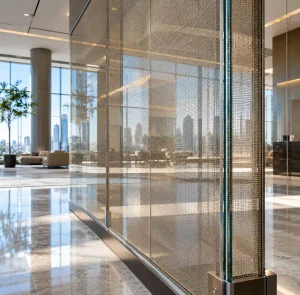
Reflective glass is a type of specialized architectural glazing coated with a thin layer of metallic oxide. This coating creates a reflective, mirror-like exterior surface while still allowing visibility from the inside during daytime conditions.
Its primary function is to reflect solar radiant heat and sunlight, significantly reducing heat transmission into buildings. In many cases, reflective glass can reflect up to 70% of solar heat, making it an effective solution for energy-conscious architecture.
How Reflective Glass Works
The metallic coating applied during manufacturing reflects a portion of incoming sunlight, including infrared and ultraviolet radiation. This results in:
Reduced solar heat gain
Lower indoor temperatures
Improved thermal comfort
Reduced load on HVAC systems
At the same time, visible light transmission is carefully balanced to maintain indoor brightness without excessive glare.
Key Features and Benefits of Reflective Glass
1. Energy Efficiency & Cost Savings
One of the most significant advantages of reflective glass is its ability to minimize solar heat gain. By reflecting radiant heat, buildings require less air conditioning, leading to:
Lower energy consumption
Reduced operational costs
Improved building energy ratings
This makes reflective glass particularly suitable for hot climates and high-rise buildings.
2. Privacy & Glare Control
Reflective glass provides daytime one-way visibility, allowing occupants to see outside while preventing people from seeing in. This feature:
Enhances privacy without curtains or blinds
Reduces glare from direct sunlight
Improves visual comfort in offices and commercial spaces
3. Modern Architectural Aesthetics
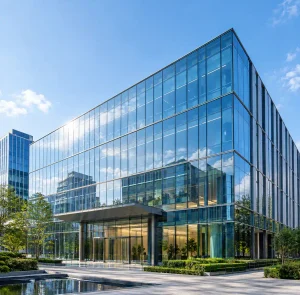
With its sleek, reflective surface, reflective glass gives buildings a contemporary and dynamic appearance. The exterior look changes depending on lighting conditions and viewing angles, making it a popular choice for:
Office towers
Commercial facades
Curtain wall systems
Available in various colors, reflective glass enhances both form and function.
4. UV Protection
Reflective glass blocks a significant portion of harmful ultraviolet (UV) rays, helping to:
Protect interior furnishings from fading
Extend the lifespan of carpets, furniture, and finishes
Improve occupant comfort
Common Types of Reflective Glass
Different architectural needs require different reflective glass solutions. The most common types include:
1. Mirror Pane Reflective Glass
Extremely high reflectivity
Strong mirror-like appearance
Primarily decorative or privacy-focused applications
2. Solar-Control Reflective Glass
Balanced transparency and heat rejection
Widely used in commercial building facades
Optimized for energy efficiency
3. Low-E Reflective Glass
Combines reflective coating with thermal insulation properties
Improves both summer cooling and winter heat retention
Suitable for energy-efficient building standards
Applications of Reflective Glass in Architecture
Reflective glass is widely used in:
Office building facades
Curtain wall systems
Shopping malls and airports
Hotels and commercial complexes
Select residential projects requiring privacy and solar control
Its performance benefits make it especially valuable in large glazed areas where solar exposure is high.
Important Considerations When Using Reflective Glass
While reflective glass offers many advantages, several factors should be considered:
Bird Safety
Highly reflective surfaces can pose risks to birds. In some projects, bird-friendly coatings or patterns are recommended to reduce collisions.
Nighttime Privacy
Reflective glass provides privacy only during the day. At night, when interior lights are on, the effect is reversed, and additional window treatments may be required.
Cost
Reflective glass is typically more expensive than standard tinted glass, but the long-term energy savings often justify the investment.
Henan Zhongbo Glass Co., Ltd.: Reliable Reflective Glass Solutions
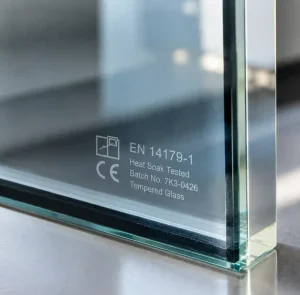
Henan Zhongbo Glass Co., Ltd. is a professional manufacturer and supplier of architectural glass products, including reflective glass, tempered glass, laminated glass, and insulating glass.
With a strong focus on quality control, advanced processing technology, and international standards, Zhongbo Glass supports global construction projects with customized glazing solutions. Their expertise ensures that reflective glass products meet performance, safety, and aesthetic requirements for modern buildings.
FAQ
Q1: Is reflective glass suitable for residential buildings?
Yes, but it is more commonly used in commercial buildings. In residential applications, privacy behavior at night should be considered.
Q2: Does reflective glass reduce natural daylight indoors?
Reflective glass reduces glare while still allowing sufficient daylight, depending on the selected visible light transmission (VLT).
Q3: How does reflective glass compare to tinted glass?
Reflective glass offers better solar heat reflection and privacy but is usually more expensive than standard tinted glass.
Q4: Can reflective glass be combined with insulating glass units (IGUs)?
Yes. Reflective glass is often used in double- or triple-glazed insulating units to improve thermal performance.
Q5: Is reflective glass environmentally friendly?
By reducing energy consumption for cooling, reflective glass contributes to more sustainable and energy-efficient buildings.
Conclusion
Reflective glass plays a vital role in modern architecture by combining energy efficiency, visual comfort, privacy, and striking aesthetics. From high-rise office towers to large commercial complexes, it helps buildings perform better while looking modern and sophisticated.
With experienced manufacturers like Henan Zhongbo Glass Co., Ltd., architects and developers can access reliable, high-performance reflective glass solutions that meet today’s demanding architectural and environmental standards.