Digital printed glass is revolutionizing architecture and interior design by blending creativity, durability, and functionality. This innovative material allows high-resolution digital images—such as photographs, patterns, or graphics—to be directly printed onto glass surfaces and permanently fused using heat treatment. Companies like Henan Zhongbo Glass Co., Ltd. are at the forefront of this technology, providing high-quality digital printed glass solutions for both interior and exterior applications.

The Technology Behind Digital Printed Glass
Digital printed glass employs specialized ceramic inks composed of glass nanoparticles and inorganic pigments. The process involves several key steps:
1. Design Preparation: Designers create high-resolution digital files of the desired images or patterns.
2. Printing: The digital files are loaded into a large-format inkjet printer, which sprays the ceramic ink directly onto the glass surface with precision.
3. Fusing: The printed glass is placed in a tempering furnace where the ceramic ink melts and fuses permanently to the glass, creating a durable, scratch-resistant, UV-resistant, and weatherproof surface.
This process ensures the printed glass is long-lasting, low-maintenance, and visually striking, making it ideal for a wide range of applications.
Applications in Modern Architecture
1. Building Facades
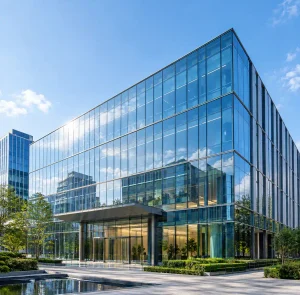
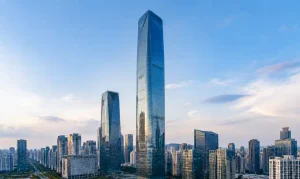
Digital printed glass allows architects to create stunning façades with photo-realistic images, geometric patterns, or brand logos. Beyond aesthetics, it can help manage solar heat gain, glare, and daylighting, enhancing both the energy efficiency and comfort of the building.
2. Interior Design
In interiors, digital printed glass is widely used for:
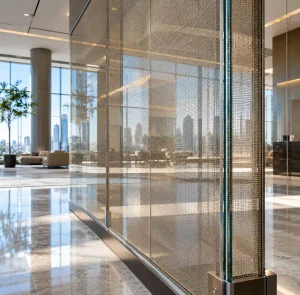
Partitions and Room Dividers: Semi-transparent patterns provide privacy while maintaining light flow.
Shower Doors and Bathroom Screens: Custom designs add elegance and style.
Kitchen Backsplashes and Feature Walls: High-resolution prints bring color and texture to functional spaces.
Elevator Panels and Tabletops: Enhance branding and aesthetics with durable, easy-to-clean surfaces.
3. Signage and Branding
Digital printed glass is perfect for custom signage, wayfinding, and branded spaces. The high-resolution prints ensure that logos, text, and directional graphics are clear and visually engaging while being integrated directly into glass surfaces.
4. Specialized Applications
The versatility of digital printed glass extends to:
Bird-Friendly Glass: Patterns can reduce bird collisions.
Non-Slip Floors, Railings, and Skylights: Printed designs improve safety and aesthetics.
Light Modulation: Patterns can control privacy, light diffusion, and glare, contributing to energy efficiency.
Advantages of Digital Printed Glass
Highly Customizable: Reproduce high-resolution photos, intricate patterns, and unlimited colors.
Exceptional Durability: Ceramic inks fused into glass resist scratches, fading, and chemical damage.
Functional Benefits: Control light transmission, diffusion, and privacy while reducing heat gain.
Easy Maintenance: Smooth surfaces are easy to clean, and prints withstand weather and environmental exposure.
The combination of aesthetics, durability, and functionality makes digital printed glass an ideal material for both creative and practical design solutions.
Common Questions About Digital Printed Glass
Q: Can digital printed glass be used outdoors?
A: Yes. The ceramic inks are UV-resistant, weatherproof, and long-lasting, making them suitable for exterior façades as well as interiors.
Q: Does the print affect glass safety or strength?
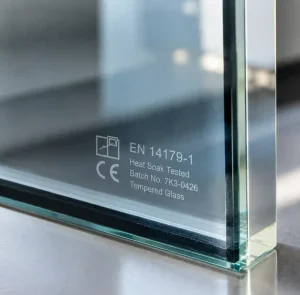
A: No. When fused with tempered or laminated glass, digital prints maintain all the safety, thermal, and structural properties of high-performance architectural glass.
Q: How flexible are the design options?
A: Digital printed glass allows unlimited customization, including full-color photos, gradients, patterns, and corporate branding—even for large or irregularly shaped panels.
Q: Is maintenance difficult?
A: Not at all. The fused ceramic surface is smooth, easy to clean, and unaffected by weather or chemicals.
Conclusion
Digital printed glass offers architects and designers unparalleled creative freedom while maintaining durability, functionality, and energy efficiency. From bold façades to expressive interior partitions, it has become a key material in modern architecture and interior design. With solutions from industry leaders Henan Zhongbo Glass Co., Ltd., projects can achieve both visual impact and lasting performance.