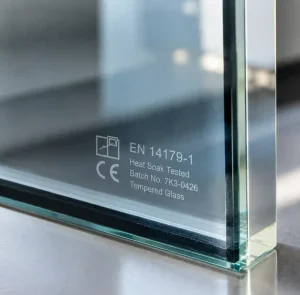
When you use ultra-large architectural glass, picking the right glass processor is very important. Your choice can change how your project turns out. Top companies like Henan Central Glass lead the way. They mix new ideas with lots of experience. Ultra-large glass projects are hard. They have many problems. These include tough energy rules, tricky installation, possible visual problems, higher prices, and safety needs.
| Challenge | Description |
|---|---|
| Compliance with energy criteria | Following strict energy rules makes picking glass harder. |
| Complexity of installation | Special glazing systems need skilled workers and special tools. |
| Risk of visual distortion | Big glass panels can have unwanted visual problems. |
| Higher costs | Larger panels need more testing and cost more money. |
| Structural considerations | Bad support can break glass, so careful planning is needed. |
| Environmental conditions | Heat and humidity can change how glass works. |
| Safety protocols | Safe handling is very important, especially in tall buildings. |
You need simple advice to help you pick the best option for your project.
Key Takeaways
- Pick a glass processor who works with ultra-large glass. They know how to keep the glass safe and strong. This lowers the chance of breaking or bending the glass.
- Look at what machines the processor uses. New machines help make glass more exact and fast. This means the glass will be better quality.
- Make sure the processor has the right certifications. Certifications like ISO 9001 and SGCC show they follow safety and quality rules.
- Go see the processor’s facility before you choose. Watching them work helps you know they use safe steps and keep high standards.
- Make a good partnership with your glass processor. Talking well and helping each other makes the project easier and gives better results.
Why Choose a Specialized Glass Processor

Unique Needs of Ultra-Large Glass
Ultra-large architectural glass has special problems. These glass panels are much bigger and heavier than normal glass. You need a processor who knows how to handle these needs. Here are some important technical things to think about:
- Wind load can make the glass bend. Heat-treating helps, but it does not stop all bending.
- Big panels can break from thermal stress. Changes in temperature make this risk higher.
- Heat treating makes glass stronger, but it can also cause distortion.
- Handling and making large glass units is hard. The size and weight make them easy to damage.
- Heavy glass needs special support systems for safe installation.
- Workers must be careful when moving glass to stop it from breaking.
A specialized processor like Henan Central Glass uses advanced machines and skilled teams to solve these problems. The company has finished over 10,000 projects, like glass bridges, hotels, and airports. Their experience helps you avoid problems and makes sure your glass works well.
Risks of Non-Specialized Processing
If you pick a processor without experience in ultra-large glass, you face big risks. Non-specialized companies may not have the right machines or skills. This can cause:
- Bad quality glass with visual distortion or weak spots
- More breakage during transport or installation
- Delays because of mistakes or having to fix things
- Safety problems for workers and people in the building
Henan Central Glass is a National High-tech Enterprise and has won the National Level Building Engineering Award. They focus on quality and new ideas to keep your project safe from these risks. When you choose a specialized processor, you feel better and get better results.
Key Selection Criteria for Glass Processor

Machine Capabilities and Glass Processing Machines
When picking a glass processor, you need to check their machines. Ultra-large architectural glass needs the best machines. These machines must handle big and heavy glass. They also need to be very accurate and make high-quality glass. Henan Central Glass uses advanced machines for these jobs.
Here is a table that lists the most important machine abilities for ultra-large glass:
| Capability | Description |
|---|---|
| Precision Cutting | Machines that cut glass into exact sizes and shapes using laser or water jet. |
| Glass Tempering | Heat-treating glass to make it stronger and tougher by cooling it fast. |
| Glass Laminating | Sticking layers of glass together with glue to make laminated glass. |
| Automation | Using CNC systems so machines work by themselves and make fewer mistakes. |
You should look for glass cutting machines that are automatic and very accurate. These machines help cut glass better and waste less. The best machines also have glass grinding and polishing machines. These help smooth the edges of the glass. You will also need glass drilling machines for making holes. Glass edging and bevelling machines shape the edges. All these machines should work well together.
Here are some top glass processing machines for big projects:
| Machine Type | Description |
|---|---|
| Insulating Glass Machine | Makes strong insulating glass units like double and triple glass. |
| Automatic Glass Cutting Machine | Uses CNC technology to cut glass very accurately. |
| Automatic Vertical Glass Washing Machine | Cleans large glass sheets quickly and well. |
| Glass Laminating Machine | Used to make laminated glass. |
| Flat Glass Tempering Furnace | Makes tempered glass. |
| Glass Straight Edge Grinding Machine | Makes the edges of glass straight. |
| Automatic Jumbo Size Double Gas Filling | Special machine for making big insulating glass. |
Check if the glass processor uses these machines. This helps your project get the best quality and accuracy.
Automation and Precision in Glass Processing
Automation and precision are very important for big glass projects. Automation lets machines work faster and make fewer mistakes. Precision means machines can cut, grind, and polish glass to the right size. Henan Central Glass uses automated machines to work better.
Here is how automation and precision help:
- Automation makes work faster.
- Precision makes sure glass meets high standards.
- Versatile machines mean you need fewer different machines.
You want machines that use CNC technology. These machines control every step, from cutting to grinding and polishing. This gives you the best results for all steps. Your glass will fit well and look good.
Quality Standards and Certifications
Always check the quality standards and certifications of a glass processor. Certifications show the company follows strict rules for safety and quality. Henan Central Glass has many important certifications.
Here is a table of the most well-known certifications:
| Certification/Standard | Description |
|---|---|
| BIS Certification for safety glass IS 2553 (part – 1) 2018 | Makes sure glass is safe. |
| ISO 9001 | Shows good quality management. |
| ISO 14001 | Shows good care for the environment. |
| ISO 45001 | Shows good health and safety management. |
| SGCC Certification | Makes sure glass meets safety rules. |
These certifications mean the glass processor checks products for safety and quality. The SGCC Program checks that safety glass meets tough rules. This helps you trust the glass you use.
Safety and Compliance
Safety is very important in big glass projects. You need a glass processor that follows all safety rules. The machines must have safety features to keep workers and glass safe. Henan Central Glass uses advanced safety features in all machines.
You should look for:
- Machines with emergency stop buttons and guards.
- Systems that check for mistakes during grinding, polishing, and drilling.
- Safety features that protect workers during cutting, grinding, and polishing.
Following safety rules keeps your project safe. It also protects everyone who uses the building.
After-Sales Support
After-sales support is very important when picking a glass processor. You want a company that gives technical help and after-sales service. Henan Central Glass gives strong support for every project.
You should ask about:
- Technical help and after-sales service for machines.
- Fast help if you have problems with cutting, grinding, polishing, or drilling machines.
- Support for installing, grinding, polishing, and fixing machines.
Good support helps your project go well. You get help when you need it, and your glass stays in good shape.
Tip: Pick a glass processor that offers everything from design to installation. This makes your project easier and gives you better results.
Composite processing techniques are important too. For example, positioning, lifting frames, and silicone help with installation. PMMA interlayer cores make glass stronger and let you work on the edges. These solutions make your glass safer and more reliable.
If you use these tips, you can pick the right glass processor for your ultra-large architectural glass project.
Comparing Glass Processing Machinery Suppliers

Experience and Track Record
It is important to check a supplier’s experience. A company with a long history knows how to fix problems. They also know how to get good results. Henan Central Glass has worked with big brands. They have finished more than 10,000 projects. This means they can do large jobs and meet tough rules. When you look at a supplier, ask about their biggest jobs. See if they have worked with famous companies. You can also ask how their machines helped other people. Good suppliers will tell you stories about how their machines helped customers save money and work better.
- Find suppliers who have worked for many years.
- Ask for proof of big ultra-large glass jobs.
- Check if they have won awards or worked with top brands.
Production Capacity and Lead Times
Production capacity and lead times are very important. You need machines that can keep up with your work. The best suppliers have different models and clear lead times. Here is a table to help you compare:
| Model Type | Lead Time |
|---|---|
| Standard Models | 15–30 days |
| Custom Configurations | 45–60 days |
Ask about the biggest size and thickness the machines can handle. Make sure the machines can process enough glass each day. Fast lead times help you finish your project on time.
Customer Feedback and Case Studies
Customer feedback and case studies show how machines work in real life. You should read reviews and ask for case studies from the supplier. Look for stories that show how the machines fixed problems or made glass better. Henan Central Glass shares many stories from hotels, airports, and glass bridges. These stories help you know what to expect.
Tip: When you read case studies, look for details about installation, support, and how the machines work over time. Good feedback means you can trust the machines and the supplier.
Here are some things you can use to compare glass processing machinery:
| Criteria | Description |
|---|---|
| Processing Accuracy | How well the machines cut and shape glass. |
| Material Compatibility | If the machines work with different types of glass. |
| CNC Control Systems | How good the computer controls are. |
| Motion Systems | How smooth and steady the machines move. |
| Suction Table Quality | How well the machines hold big glass sheets. |
| Safety Features | If the machines keep workers safe. |
| Throughput Capacity | How much glass the machines can process in a set time. |
| Power Requirements | How much energy the machines use. |
| Customer Service Metrics | How fast and helpful the support team is. |
| Test Runs | If you can try the machines before buying. |
| Warranty and Service Terms | What kind of warranty and service you get. |
| Upgrade Pathways | If you can upgrade the machines later. |
You can use this table as a checklist when you talk to any supplier or manufacturer.
Practical Evaluation Steps

Site Visits and Facility Inspections
You should visit the glass processor’s production base before you choose. A visit lets you see the machines and the workspace. You can watch the team work with ultra-large glass panels. This helps you see if the place is clean and safe. You can also check if workers follow safety rules. Henan Central Glass lets clients tour its huge production base. You can see advanced tempering lines and autoclaves there. You can ask questions and get answers from experts.
Tip: Bring a checklist when you visit. Look for new machines, safety signs, and skilled workers. Write down how the company handles glass and keeps things safe.
Sample Testing and Performance Reports
You should ask for sample glass panels before you order a lot. Testing samples helps you check the glass quality and strength. You can ask for reports that show if the glass meets safety and quality rules. These reports often show results for impact resistance, clarity, and thermal performance. Henan Central Glass gives sample testing and detailed reports to clients. You can compare these results with what your project needs.
- Ask for samples of tempered, laminated, or insulating glass.
- Check test results for strength and clarity.
- Ask for reports on past projects like hotels or glass bridges.
Contract Terms and Guarantees
You need to check contract terms and guarantees before you sign. Standard contracts with ultra-large glass processors have important details. You should know about warranty terms, buyer jobs, and limits of liability. Here is a table that shows common contract terms:
| Term/Condition | Description |
|---|---|
| Warranty Terms | Each display is different. You may need to change designs to fit your needs. |
| Buyer Responsibilities | You must give test kits and follow the seller’s rules. This keeps your warranty good. |
| Limitations of Liability | The seller’s liability only covers direct damages up to the price you paid. No extra damages. |
Note: Always read the contract closely. Ask questions about warranties and support. Make sure you know your jobs and what the company promises.
Expert Tips for Confident Decision-Making

Building a Shortlist of Glass Processors
Start by making a list of glass processors. This helps you look at the best choices for your project. Pick companies that have worked with ultra-large glass before. See if they have finished jobs like hotels, airports, or glass bridges. Check if they have won awards or have important certifications. Henan Central Glass is special because it offers one-stop service and has a skilled team for installation. You want a partner who can help from the start to the end.
Here are some steps to make your list:
- Write down processors who have done big glass projects.
- Make sure they use advanced machines and automation.
- Look for certifications that show quality and safety.
- Ask for stories from other clients and case studies.
- Check if they do everything, including installing the glass.
A good list saves you time and helps you compare the top choices.
Transparent Communication
Clear and honest talk helps you trust your glass processor. You need to know what is happening at every step. Good processors tell you about their work and keep you in the loop.
You can make things clearer by:
- Putting clear rules in your contract about sharing information.
- Asking for regular updates on how the work is going.
- Requesting facts about recycling and how waste is handled.
- Making sure the processor explains how they fix problems.
Getting updates and honest answers helps you avoid surprises. If you work with Henan Central Glass, you get reports and open talk. This makes your project easier and helps you work well together.
Tip: Working with a trusted processor for a long time helps both sides. You get better results when you trust each other.
Negotiating Value and Partnership
Try to build a strong partnership, not just get the lowest price. Value means good service, support, and flexible deals. Henan Central Glass gives value with its one-stop service and expert team.
Here are ways to get the best value:
- Build a long-term relationship. Processors may give better prices if you are a steady customer.
- Look at the whole deal, not just the price. Ask about extra services, payment plans, and support.
- Try to see what the processor wants. When you know their needs, you can find win-win solutions.
A good partnership gives you more than just glass. You get help, advice, and support when you need it.
Note: Strong partnerships mean better deals and smoother projects. You save time and avoid problems when you work closely with your processor.
Quick-Reference Checklist for Decision-Making
Use this checklist to help you pick the right glass processor for your ultra-large architectural glass project:
| Item | Description |
|---|---|
| Processing Accuracy | Cuts and drills should be within ±0.1 mm to waste less glass. |
| Material Compatibility | Check the thickest and thinnest glass they can use (2–19 mm) and if they handle different types. |
| CNC Control System | Touchscreens with CAD/CAM that work with common files. |
| Motion System | Uses linear guides and servo motors for speed and long life. |
| Suction Table Quality | Vacuum beds hold glass tight without bending it. |
| Safety Features | Emergency stops, guards, and dust removal are important. |
| Throughput Capacity | How much glass can be made per hour; matches your project needs. |
| Power Requirements | Make sure the machines work with your building’s power for big ovens. |
This table helps you compare processors. It lets you make a smart and confident choice.
You now know the main tips for picking a glass processor for ultra-large architectural glass. Always look at how good the machines are, what certifications they have, and if they help you after you buy. Go see the factories and ask for sample tests. Top companies like Henan Central Glass show how things should be done. Use a checklist to look at your choices. Pay attention to quality, trust, and working well together.
Remember: If you choose carefully, your glass project will be safe, look great, and last a long time.
FAQ

What makes a glass processor “specialized” for ultra-large glass?
A specialized processor has advanced machines and skilled workers. They use strict quality checks to make sure the glass is good. They know how to move and work with big, heavy glass safely. This means your glass will be made right and will not break easily.
How do I check if a glass processor meets safety standards?
You can ask to see their certifications, like ISO 9001 or SGCC. These certificates show they follow safety rules. Always ask for their newest certificates to make sure they are up to date.
Why should I visit the glass processor’s factory?
When you visit the factory, you can watch the machines and workers. You can see if the place is clean and safe. This helps you feel sure that they do good work.
What support should I expect after buying glass?
You should get help with any problems after you buy the glass. Good processors answer your questions and help with installation. They fix problems quickly so your project goes well.