When you pick a glass curtain for your building, you affect how well it works and how much it is worth. Glass curtain walls help save energy and stop heat from moving in or out. This can lower bills and is good for the environment. New glass systems let in more sunlight and make the inside nicer for people. You should think about your business needs, the weather in your area, and the rules before you decide.
Key Takeaways
- Glass curtain walls help save energy. They also lower heating and cooling bills.
- There are many types of glass curtain systems. Each type fits different buildings and heights.
- Think about how you use your building. Check the weather in your area. Follow local rules when picking a glass curtain.
- Glass curtains let in more daylight. This can cut lighting costs. It also helps people feel better inside.
- Cleaning and checking glass curtain walls often helps them last longer. It also keeps them looking nice.
- Pick a good supplier. This helps you get quality products and support during your project.
- Glass curtain walls make buildings look modern. They can help attract renters or investors.
- Plan for the first costs and future savings. This is important when you budget for glass curtain walls.
What Are Glass Curtain Walls

Glass Curtain Wall Definition
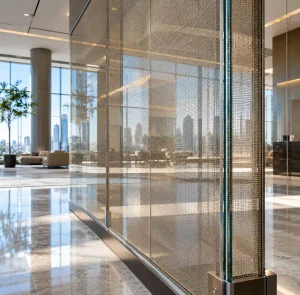
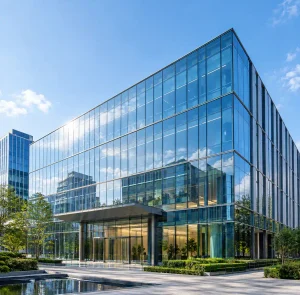
You see glass curtain walls on many modern buildings. These walls use lightweight aluminum frames to hold glass or metal panels. They do not support the weight of the roof or floors. Instead, they transfer forces like wind and gravity to the building’s main structure. This design lets you create large, open spaces with lots of light. Glass curtain walls help make buildings look modern and bright.
Main Types of Glass Curtain Walls
You can choose from different types of glass curtain systems. Each type works best for certain projects.
Stick System
The stick system uses parts that workers put together at the building site. You get more control over the final look because you can adjust pieces as you build. This system works well for low-rise buildings. It may take more time and labor since you assemble each part on-site.
Unitized System
The unitized system uses large sections made in a factory. Workers bring these sections to your site and install them quickly. This system fits high-rise buildings best. You save time and reduce labor costs because most work happens before the panels arrive.
Tip: If you want advanced glass curtain solutions, look for companies with strong manufacturing skills. Henan Central Glass stands out as a leader in specialty and ultra-large glass processing. They use modern production lines and offer custom solutions for many building needs.
Importance for Commercial Buildings
Glass curtain walls do more than look good. They help your building in many ways:
- You get more natural light inside, which can make people feel better and lower lighting costs.
- These walls improve energy efficiency by keeping indoor temperatures steady. You use less heating and cooling.
- You have many design choices. Glass curtain walls let you match your building’s style and needs.
- They create a smooth view between inside and outside, making spaces feel open and connected.
When you choose the right glass curtain, you boost your building’s value and comfort. You also show that your business cares about modern design and smart building solutions.
Assessing Commercial Building Needs

Building Type and Use
First, think about how you will use your building. The way you use the space helps you pick the best glass curtain. Medical offices need energy-efficient glass to keep patients comfortable. This also helps the environment. Retail spaces use structural glazing to let people see inside. This can bring in more shoppers. Office buildings use curtain walls to look nice and work better. High-end offices use interior glass for a modern look. Industrial warehouses need strong products for safety. Banks pick custom glass for security and a stylish look.
Here is a table to help you match building types with the right glass solutions:
| Type of Building | Glass Solution Type | Benefits |
|---|---|---|
| Medical Offices | Energy-efficient glass | Enhances sustainability and comfort |
| Retail Spaces | Structural glazing | Maximizes visibility and attracts shoppers |
| Office Buildings | Curtain walls | Improves aesthetics and functionality |
| High-end Offices | Interior glass solutions | Creates a sophisticated environment |
| Industrial Warehouses | Industrial grade products | Meets durability and safety needs |
| Banks | Custom glass applications | Provides security and modern design |
Each building type has its own needs. Glass curtain walls give you many design choices. They let in more daylight, which can lower lighting costs. More daylight also makes spaces feel better. Modern glass, like double-glazing and special coatings, saves energy and keeps people safe. You should also think about your budget and your building’s structure. Some buildings need stronger walls for wind or other forces. Engineers use new materials and designs to make sure your glass curtain fits and keeps everyone safe.
Tip: Advanced glass solutions from Henan Central Glass let you customize your curtain wall system. You can pick curved facades, big colored surfaces, or special coatings to fit your needs.
Climate and Environment
You need to think about your local climate when picking glass curtain walls. Weather changes how your building works. In hot or cold places, you want glass with a low U-value. This keeps heat inside in winter and outside in summer. It helps save energy. The Solar Heat Gain Coefficient (SHGC) shows how much heat from the sun gets through the glass. Lower SHGC numbers block more heat. Visible Transmittance (VT) tells you how much daylight comes in. Higher VT numbers are good if you want more natural light.
- U-value: Lower numbers mean better insulation.
- SHGC: Lower numbers reduce heat from sunlight.
- VT: Higher numbers let in more daylight.
You can choose glass types, coatings, and shading to match your climate. In sunny places, you might add shading to stop glare and heat. In cold places, you may pick glass that keeps warmth inside. Custom glass curtain walls help you save energy and keep people comfortable all year.
Codes and Regulations
You must follow building codes and rules when you put in glass curtain walls. These rules keep your building safe and legal. Codes cover fire safety, energy use, and how the wall handles wind and water. Some rules check thermal performance so your glass curtain does not lose too much heat. Others test for leaks or strong winds.
If you do not follow the rules, you may have delays or need to redo work. Always check the latest codes before you start. Work with experts who know the rules for commercial buildings. This helps you avoid problems and makes sure your glass curtain walls work well for a long time.
Note: Picking a trusted supplier like Henan Central Glass gives you advanced products. These products meet strict codes and work well.
Here is a table of important factors to review when planning your glass curtain wall project:
| Factor | Description |
|---|---|
| Structural Design Considerations | Check how the wall affects your building’s strength. |
| Wind Load Calculations | Make sure the wall can handle local wind speeds. |
| Material Specifications | Pick materials that last and perform well in your climate. |
| Installation Requirements | Plan for easy and safe installation. |
| Deflection Factors | Understand how building movement affects wall functionality. |
| Anchor and Embed Selection | Choose the right anchors for safety and stability. |
By thinking about your building’s use, climate, and local rules, you can pick the best glass curtain walls for your project. Careful planning helps you get the most value, safety, and comfort from your building.
Energy Efficiency in Glass Curtain Walls

You can save energy by picking the right glass curtain walls. These walls help control heat, light, and comfort inside buildings. It is important to learn about insulation, solar control, and being eco-friendly before you choose.
Insulation and Thermal Control
Insulation keeps your building warm in winter. It also keeps it cool in summer. Good insulation means you use less energy. This saves money and helps the planet.
Double and Triple Glazing
Double glazing uses two layers of glass with air or gas between. Triple glazing has three layers with air or gas in the middle. This slows down heat from moving in or out. Argon gas in the glass helps stop heat loss even more. Triple glazing gives better insulation than double glazing. It also makes rooms quieter and more comfortable.
Low-E Glass
Low-E glass has a thin coating that reflects heat. This makes the U-value lower, so it saves more energy. Low-E glass keeps heat inside during winter. It also blocks heat from the sun in summer. You use less energy for heating and cooling.
- Argon gas in glass units helps stop heat loss.
- Low-E glass lowers U-values and saves more energy.
- Triple glazing gives better insulation and comfort.
| Aspect | Details |
|---|---|
| Technologies | Electrochromic glazing, BIPV modules |
| Energy Savings | 5% to 27% less energy used each year |
| Benefits | Controls energy flow, lowers HVAC use, adds comfort |
Solar and Glare Management
Solar and glare control in glass curtain walls helps manage sunlight. You can let in daylight without too much glare or heat. Special glass for glare control lets in light but stops discomfort. Low-E coatings and tinted glass filter sunlight and cut brightness. This keeps rooms bright but not too hot or harsh.
| Evidence Description | Impact on Occupant Comfort and Energy Consumption |
|---|---|
| Special glass for glare control lets in lots of light but stops glare. | Makes people feel better and creates a nice space. |
| Low-E coatings and tinted glass filter sunlight and lower brightness. | Keeps a view outside and makes the room calm. |
| Low-E coatings can block solar energy from coming in, which saves energy. | Makes rooms more comfortable by stopping too much heat from the sun. |
| Using glass the right way can stop too much sunlight and glare. | Helps people focus and relax by lowering bright light and reflections. |
You help people focus and relax by stopping glare. You also use less energy because you need less lighting and cooling.
Sustainability Certifications
Sustainability is important when picking glass curtain walls. You can look for certifications that show your building is eco-friendly.
- LEED
- BREEAM
These certifications prove your building saves energy and is good for the planet. They show you care about the environment and people’s comfort inside.
Natural Light and Comfort

Daylighting Benefits
Glass curtain walls let in lots of sunlight. This is called daylighting. Sunlight lights up rooms during the day. You do not need to use as many lights. This saves money on electric bills. Sunlight also helps warm rooms in winter. You use less heat, so you save more money. Daylighting is good for people’s health. It can make people feel happier and more awake. Some green building programs give you points for using daylighting. These programs include LEED, CHPS, BREEAM, and WELL v2.
- Daylighting helps buildings use less energy.
- It lowers electric and heating costs.
- It is good for people’s health.
- You can get credits from green building programs.
Managing Heat Gain
You must control heat from the sun with glass curtain walls. Too much heat makes rooms hot and raises bills. New technology helps keep rooms cool. Vacuum-insulated glass keeps heat out but is not heavy. You do not need strong frames for this glass. Phase-change materials help by holding and releasing heat. They keep rooms at a steady temperature. Smart glass changes tint when the sun is bright. This glass cuts glare and controls heat. People inside feel more comfortable.
- Vacuum-insulated glass keeps heat out and is light.
- Phase-change materials keep rooms at a steady temperature.
- Smart glass changes tint to block glare and heat.
Glass Tint and Transparency
You can pick different tints for your glass. Tinted glass helps block sunlight and looks nice. It stops glare so people feel better inside. Tinted glass also keeps out heat from the sun. This saves energy and makes rooms cooler. You can have privacy but still get sunlight. Gray and bronze tints look modern and stop glare. Blue and green tints look soft and help with heat. Reflective tinted glass gives more privacy and blocks more heat. Tinted glass works in homes and businesses. It helps keep rooms cool and private, which is good in sunny places.
- Gray & Bronze Tints: Stop glare and look modern.
- Blue & Green Tints: Look soft and help with heat.
- Reflective Tinted Glass: Gives privacy and blocks extra heat.
Tip: The right tint and transparency make rooms comfy, save energy, and look great.
Durability and Weather Resistance

When you choose glass curtain walls for commercial buildings, you want them to last and protect your space from harsh weather. Strong walls keep your building safe and looking good for many years.
Structural Strength
You need walls that can handle heavy loads and daily use. The strength of a glass curtain depends on several factors. The table below shows what you should look for:
| Factor | Description |
|---|---|
| Glass Thickness | Commonly used thickness for high-performance projects is 0.25 inch. |
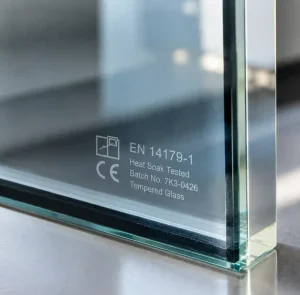
| Glass Types | Stress limits set for annealed, heat-strengthened, and fully tempered glass. |
| Load Considerations | Wind loads are usually the main concern; blast loads may also be considered. |
| ASTM Standard | ASTM E1300 gives rules for sizing glass based on shape and design loads. |
You should always check the thickness and type of glass. Stronger glass means better protection. ASTM E1300 helps you pick the right size and strength for your project.
Wind, Water, and Seismic Protection
Glass curtain walls must protect your building from wind, rain, and earthquakes. Good design keeps your space dry and safe. The table below explains how these walls work:
| Feature | Description |
|---|---|
| Wind Load Resistance | Walls move wind loads to the main building structure, keeping everything stable during storms. |
| Air and Water Infiltration | Designed to stop air and water from getting inside, keeping your building dry and comfortable. |
| Seismic Performance | Built to handle shaking from earthquakes, so the walls stay strong and safe. |
You want walls that pass strict tests. AAMA 501 sets rules for lab and field tests. FGIA checks how walls move during earthquakes. Wind load tests show if the walls can stand up to strong weather. Builders test for leaks by spraying water and blowing air at the walls. Good seals and joints stop leaks and protect your building.
Maintenance and Lifespan
Taking care of your glass curtain walls helps them last longer. You should check and clean them often. Here are some tips:
- Clean the glass and frames to keep them clear and bright.
- Reseal joints to stop leaks and drafts.
- Fix any damage right away to avoid bigger problems.
- Add weep holes to help drain water and prevent damage.
The main aluminum frame can last 30 to 50 years. Glass and sealants last 20 to 30 years if you take care of them. Some glass panels can last over 60 years. Insulated glass panels may need replacing after about 25 years because of water risks. Gaskets and sealants need checking and replacing from time to time.
Tip: Regular checks and quick repairs keep your walls strong and your building safe.
Aesthetics and Design for Commercial Buildings

Visual Impact
Picking a glass curtain changes how people see your building. Glass curtain walls make buildings look modern and smooth. They let in lots of sunlight, so rooms feel bright and open. This style is not just pretty. It helps your business stand out and brings in renters or investors. People notice buildings with lots of glass and straight lines. These places look professional and friendly. Sunlight from curtain walls helps people inside, too. It helps them focus, feel less tired, and work in a healthier space. Using glass curtain walls shows your business likes new ideas and cares about the planet.
Color and Finish Options
You can pick many colors and finishes for your glass curtain walls. These choices help you make your building look special. You can choose glass tints, coatings, and textures. Some buildings use clear glass for a simple style. Others use colored or frosted glass for privacy or looks. You can also pick frame finishes like matte, shiny, or metallic. These options help your building match your brand and stand out. Architects use strong beams and pillars for support. They add glass panes and panels to fill in spaces. Anchors and sealants keep the walls safe and strong. With so many choices, you can go beyond plain glass and make a design that fits your ideas.
Architectural Integration
Glass curtain walls fit many building styles, old or new. You can use them in modern or classic designs. Curtain walls give you lots of choices. You can add custom aluminum facades or different glazing types. Some designs use mullions for extra strength and style. The table below shows how glass curtain walls match different building themes:
| Feature | Description |
|---|---|
| Design Flexibility | Custom aluminum facades fit many building styles. |
| Modern Aesthetics | Glass curtain walls look elegant and up-to-date. |
| Customization Options | You can use many glazing types for different looks. |
You can make your building look special on the outside. Curtain walls help you show your brand’s values, like being modern and professional. They help you make spaces that feel open, bright, and new.
Cost and Budget for Glass Curtain Walls

Upfront vs. Long-Term Costs
When you plan a glass curtain project for commercial buildings, you need to look at both the starting price and the savings over time. The type of system you pick changes your costs. The table below shows how stick and unitized systems compare:
| Feature | Stick System | Unitized System |
|---|---|---|
| Upfront Cost | Lower | Higher |
| Installation Speed | Slower, more labor | Faster, less on-site labor |
| Quality Control | On-site conditions | Factory-controlled quality |
Stick systems cost less at first but take longer to install. Unitized systems cost more upfront but save time and offer better quality control. Over the years, you can save money because glass curtain walls help lower energy bills. These walls keep heat in during winter and out during summer. You spend less on heating and cooling, which makes your investment pay off.
Installation and Labor
You will see that installation and labor costs change based on where your building is and how big your project is. Here are some things to keep in mind:
- Urban areas and high-cost states have higher labor rates.
- Rural areas may offer lower prices but fewer choices for skilled workers.
- Projects that need special work, like fitting into load-bearing structures or hard-to-reach places, cost more.
Labor for professional installation usually ranges from $50 to $150 per hour. For a window wall, you might pay $700 to $1,600 per linear foot. An 8-foot-tall glass curtain wall can cost $200 to $600 per linear foot. You should plan your budget with these numbers in mind.
Tip: Work with experienced teams to get the best results and avoid costly mistakes.
Maintenance Planning
Keeping your glass curtain in top shape means planning for regular care. Good maintenance helps your walls last longer and look better. Here are key factors to consider:
| Factor | Description |
|---|---|
| Professional Services | Needed for checks, cleaning, and repairs by experts. |
| Documentation | Keep records of all maintenance work. |
| Quality Materials | Use strong seals and parts for fewer repairs. |
| Seasonal Preparations | Check seals and drains before bad weather. |
| Regular Inspections | Look at seals, frames, and drains often. |
| Routine Cleaning | Clean glass and frames to stop damage. |
| Importance of Seals | Seals and gaskets stop leaks but wear out over time. |
| Drainage Systems | Make sure drains work to prevent water problems. |
You should set up a plan that includes regular checks, cleaning, and quick repairs. Write down what you do each time. This helps with warranties and keeps your glass curtain walls working well for years.
Choosing Suppliers and Installation Teams

Selecting a Glass Curtain Wall Supplier
Picking the right supplier is very important for your project. The supplier you choose will change how good your building is. You should look for some key things when picking a supplier:
- Good product quality and strength help your walls last in bad weather.
- New technology gives you better fixing systems and smart glass.
- Custom options let you match the glass curtain to your building’s look.
- Good prices help you stay on budget but still get quality.
- Fast delivery keeps your project moving on time.
- Support after you buy and a warranty protect your money for years.
- A strong company can handle big jobs without problems.
- If the company works in many places, you get help faster.
Henan Central Glass is a trusted company for big projects. They use new machines and make special glass for buildings. You can trust their team to work on even the biggest buildings.
Custom Solutions and Expert Advice
Custom solutions and expert help are important for big projects. When you work with Henan Central Glass, you get more than just glass. Their team helps you fix problems and reach your goals. The table below shows how custom help and expert advice make your project better:
| Benefit | Description |
|---|---|
| Product Customization | You can order doors and windows that fit your building’s exact needs. |
| Timely Delivery | Materials arrive when you need them, so your project stays on track. |
| After-Sales Support | You get help with maintenance and repairs, which keeps your walls in top shape. |
Expert advice helps you make good choices and avoid mistakes. You get answers to your questions and help at every step.
Reviewing Case Studies
You can learn a lot from other glass curtain wall projects. Good projects show how planning and teamwork help. Here are some lessons from real jobs:
- Careful design and working together give better results.
- Good details stop leaks and other problems.
- Smart water control, like weeps and sloped glass pockets, keeps walls dry and strong.
When you look at case studies, you see what works best for buildings. You can use these ideas to make your own project safer and better.
Making the Final Choice

Comparing Glass Curtain Wall Options
You have many choices when it comes to glass curtain wall systems. Each option has its own strengths. Some systems work better for tall buildings. Others fit low-rise commercial spaces. You should look at how each system meets your needs for energy savings, design, and safety. Think about how much light you want inside. Check if the system can handle your local weather. Ask about how easy it is to keep the walls clean and in good shape.
Here is a table to help you compare your options:
| Feature | Stick System | Unitized System |
|---|---|---|
| Installation Speed | Slower | Faster |
| Upfront Cost | Lower | Higher |
| Quality Control | On-site | Factory-made |
| Best For | Low-rise buildings | High-rise buildings |
You should talk with experts to see which system fits your project best.
Selection Checklist
You can use a checklist to make sure you pick the right glass curtain for your commercial building. This list helps you remember what matters most.
- Check your building’s type and use.
- Review local codes and rules.
- Think about your climate and weather.
- Look at energy efficiency features.
- Decide on the style and color you want.
- Ask about how long the walls will last.
- Plan for cleaning and repairs.
- Compare costs now and in the future.
- Choose a trusted supplier with good support.
Tip: Write down your answers for each point. This makes your decision clear and easy to explain.
Next Steps
Now you are ready to move forward. Start by talking to a supplier who knows about glass curtain walls. Share your checklist and project needs. Ask for a custom plan that fits your building. Visit other buildings that use the same glass. This helps you see how the walls look and work in real life.
You should also ask for a detailed quote. Make sure it covers all costs, from materials to installation. Set up a timeline for your project. Stay in touch with your supplier and team. Good planning helps your project finish on time and on budget.
Note: Henan Central Glass offers expert advice and custom solutions for commercial projects. Their team can guide you from start to finish.
You can choose the right glass curtain for your commercial buildings by following clear steps. Think about how glass curtain walls improve comfort, energy savings, and design. When you work with experts, you get walls that last and look great. Contact Henan Central Glass for help with your next project. Get a custom plan that fits your needs.
FAQ

What is a glass curtain wall?
A glass curtain wall is a non-load-bearing wall made of glass panels and metal frames. You see it on the outside of many commercial buildings. It lets in light and gives a modern look.
How do glass curtain walls help save energy?
Glass curtain walls use special glass and coatings to keep heat inside during winter and outside during summer. You use less heating and cooling, which lowers your energy bills.
Can you use glass curtain walls in any climate?
You can use glass curtain walls in most climates. You choose glass types and coatings that fit your local weather. For hot places, pick glass that blocks heat. For cold places, choose glass that keeps warmth inside.
How long do glass curtain walls last?
Most glass curtain walls last 30 to 50 years. You keep them strong by cleaning and checking them often. Good maintenance helps your walls stay safe and look new.
What is the difference between stick and unitized systems?
Stick systems get built piece by piece at your site. Unitized systems come as large panels from the factory. Unitized systems install faster and offer better quality control.
How do you clean and maintain glass curtain walls?
You clean glass curtain walls with soft cloths and safe cleaners. Check seals and frames for damage. Fix problems quickly to keep your walls strong. Regular care helps your building look bright and fresh.