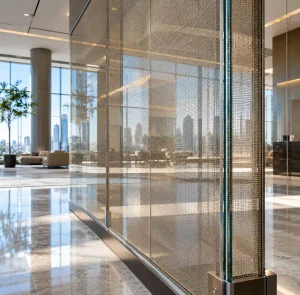
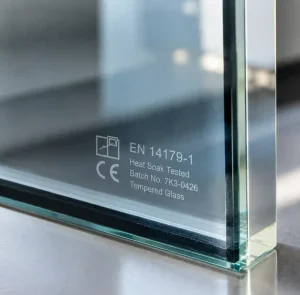
Importing oversized architectural glass involves far more complexity than standard freight logistics. After shipping hundreds of jumbo panels—some exceeding 12 meters—to projects worldwide, success hinges on three elements: accurate customs classification, engineered crating, and transportation planning. This guide shares insights from real shipments that most logistics providers won’t tell you upfront.
Understanding Large-Format Glass Specifications
Large-format glass exceeds standard transportation dimensions. At Zhongbo Glass, our capabilities reach 4200mm × 28000mm for laminated glass and 3660mm × 28000mm for tempered glass—among the industry’s largest.
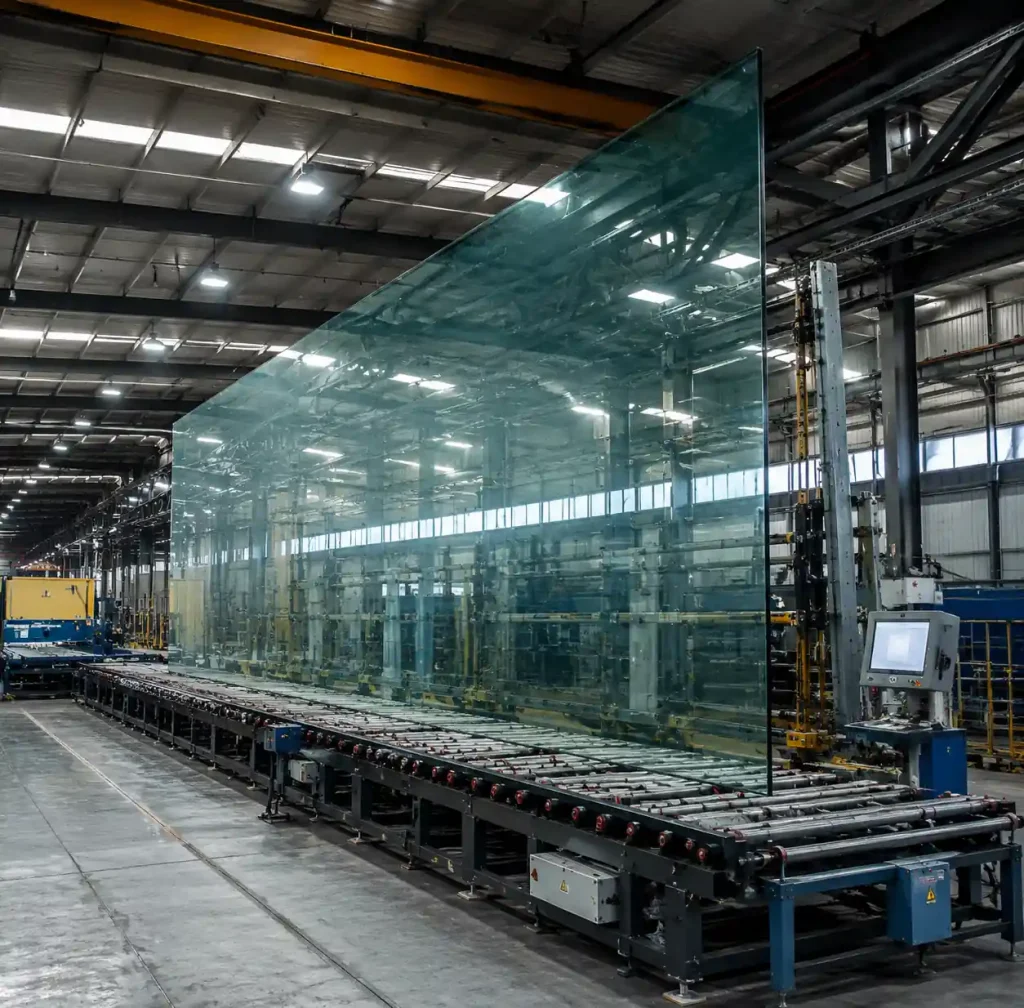
Weight compounds exponentially with size. A 12mm laminated panel (3000mm × 8000mm) weighs approximately 576kg, while multi-layer structural configurations exceed 1200kg per panel. This mass demands robust packaging, crane-equipped transport, and specialized offloading at destination ports.
HS Code Classification and Customs Duties
Customs classification impacts landed costs significantly. Large-format architectural glass falls under Chapter 70 of the Harmonized System, with codes determined by processing level.
| Glass Type | HS Code | Typical US Duty Rate | Classification Notes |
|---|---|---|---|
| Unprocessed float glass | 7004.20 | 0% (duty-free) | Colored, tinted, or coated sheets |
| Tempered safety glass | 7007.19.00 | 5% | Oversized architectural panels |
| Laminated safety glass | 7007.19.00 | 5% | Multi-layer with PVB/SGP interlayer |
| Low-E coated glass | 7007.19.00 | 5-12.5% | Varies by coating complexity |
US Customs actively reclassifies architectural glass. Determinations shift between 7004 (lower duties) and 7007 (higher duties) based on heat treatment and safety certifications. Request a binding tariff classification ruling before large orders—it prevents costly port surprises.
The 2026 de minimis elimination means all shipments require formal customs entry and full duty payment. Budget for brokerage fees ($150-$500 per entry) beyond duties.
FOB vs CIF Pricing Models
Incoterm selection determines transportation risk and title transfer timing. Most Chinese manufacturers quote FOB (Free on Board), but hidden costs matter more.
FOB Ningbo/Shanghai: You arrange freight, insurance, and destination handling. Gives control but requires expertise. Expect $8,000-$15,000 for 40-foot high-cube containers to US West Coast (18-25 days transit). East Coast adds $3,000-$5,000 and 10-14 days.
CIF (Cost, Insurance, Freight): Supplier delivers to your port with insurance. Simpler but 15-20% more expensive. Supplier chooses forwarder—you lose control over crating quality.
Use FOB for projects exceeding $50,000 where you specify packaging standards. CIF suits smaller orders prioritizing convenience.
Crating Engineering for Jumbo Panels
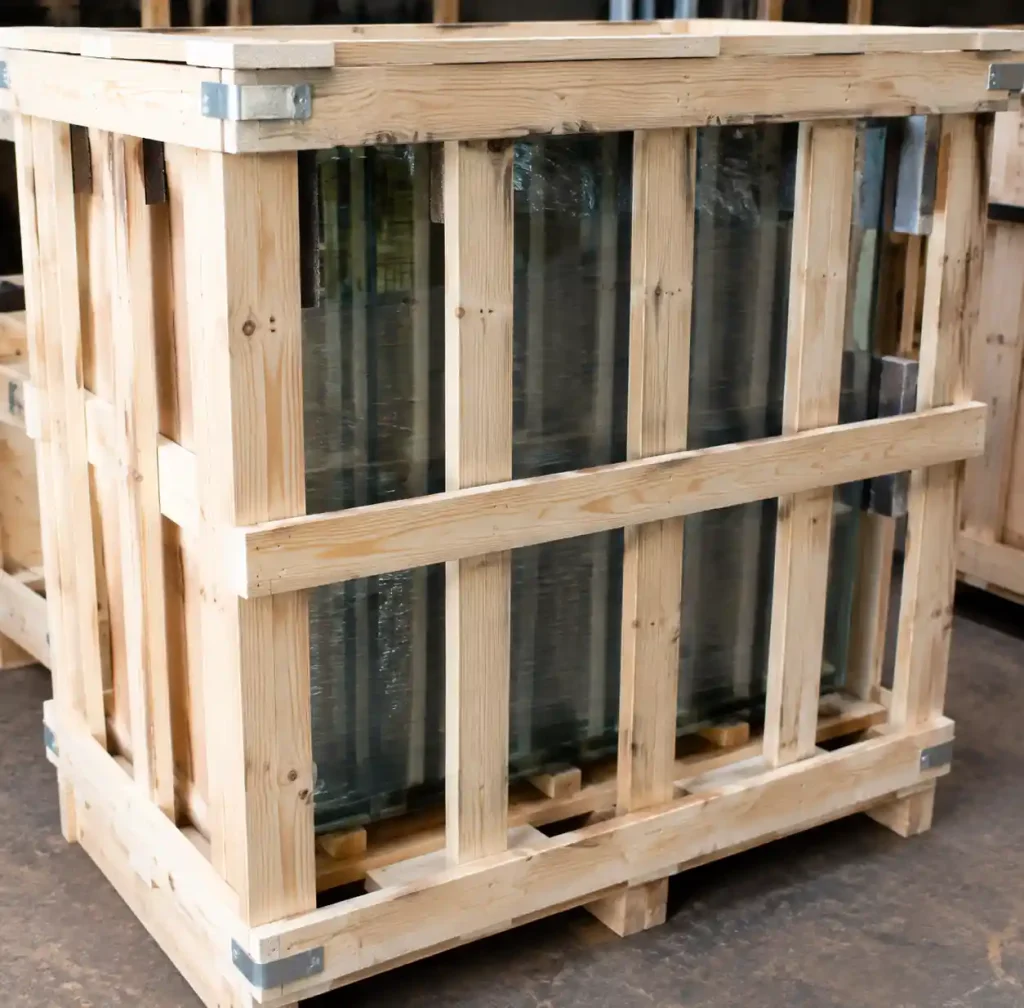
Generic wood crates fail with oversized glass. Competitors’ panels arrive shattered despite “adequate” packaging because crating didn’t account for glass-specific dynamics.
Essential Crating Principles
Vertical orientation mandatory: Panels stand on edge, never flat. Flat stacking allows center deflection under panel weight, causing stress fractures during transit vibration. A-frame crates with 15-degree angles distribute weight along edges.
Zero-movement tolerance: Glass cannot shift even 5mm inside crates. Achieve this through high-density foam edge cushioning (minimum 50mm), cork or rubber interleaving between panels, internal bracing every 2 meters for panels exceeding 8 meters, and ratchet straps maintaining 200kg tension without touching glass.
Material specifications: Use kiln-dried lumber (moisture content <15%) to prevent warping. All wood must meet ISPM 15 heat treatment standards—non-compliant crates get quarantined at customs, delaying delivery weeks.
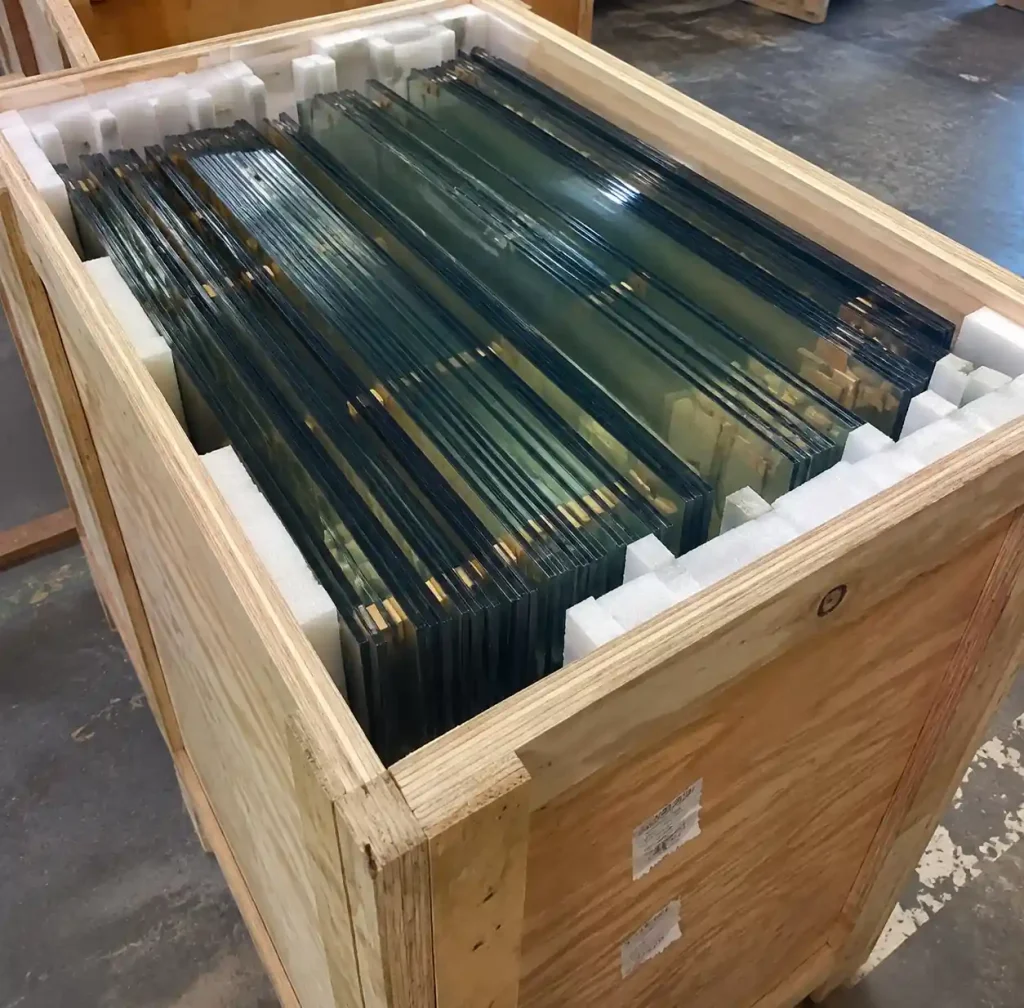
Crate exteriors need 50mm plywood sheathing minimum with steel corner reinforcements. For panels over 10 meters, add steel I-beam runners along bases to prevent flexing during forklift handling. Mark lifting points clearly in three languages with load ratings.
Container Loading Strategy
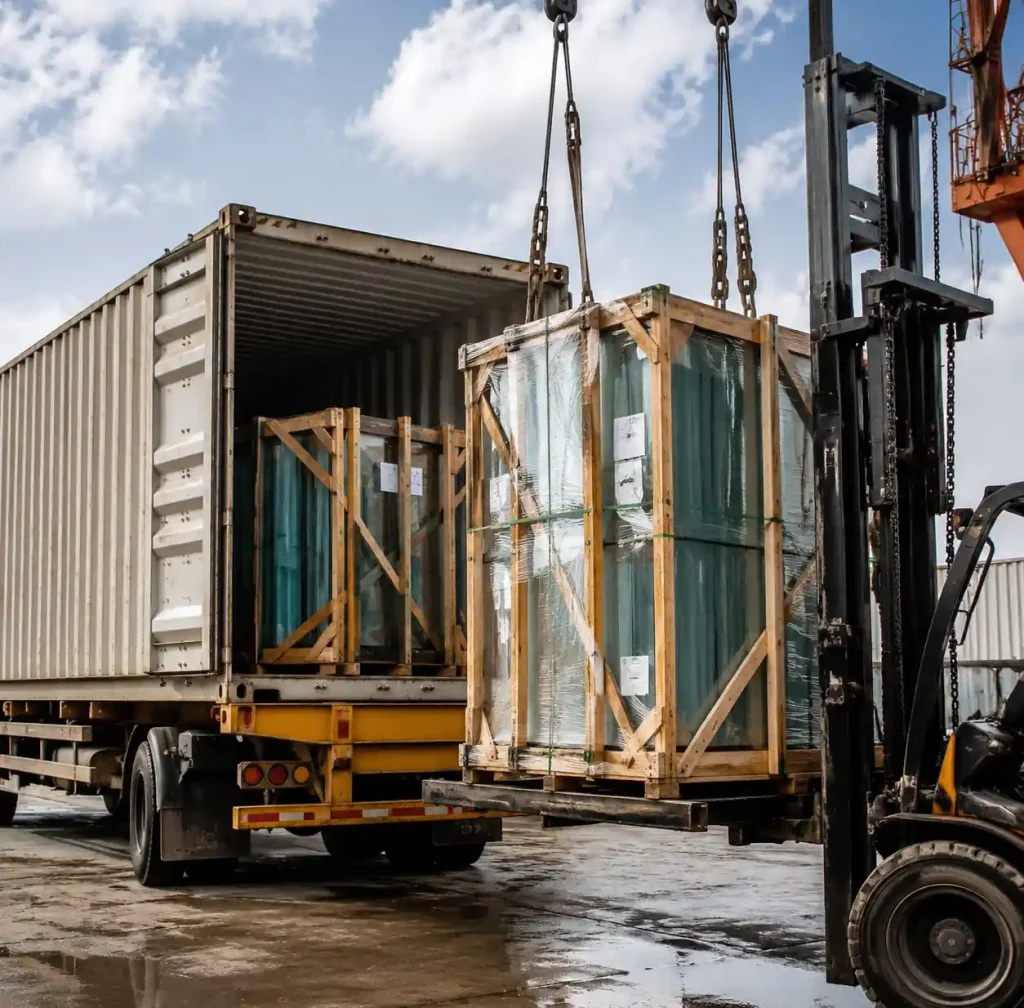
A 40-foot high-cube container (12.03m L × 2.35m W × 2.69m H) accommodates panels up to 11.5 meters when loaded diagonally. Beyond this requires flat-rack containers or break-bulk shipping—costs triple but necessary for 12-28 meter panels.
| Container Type | Max Glass Length | Loading Capacity | Typical Cost (China to US) |
|---|---|---|---|
| 40′ High-Cube | 11.5m (diagonal) | 400-600 sqm | $8,000-$12,000 |
| 40′ Flat Rack | 28m+ | 200-300 sqm | $25,000-$35,000 |
| Break-bulk vessel | Unlimited | Project-specific | $40,000+ minimum |
Loading sequence matters: heaviest crates load first against container front wall. Lighter panels fill gaps. Load sensors ensure weight distributes within 5% left-to-right preventing container tipping during sea transit. Every crate secures with 4-6 lashing points to D-rings.
For mixed loads combining insulated glass and solid panels, IGUs load first—they’re more fragile due to seal sensitivity. Single-pane curved glass loads last with additional bracing.
Documentation Requirements
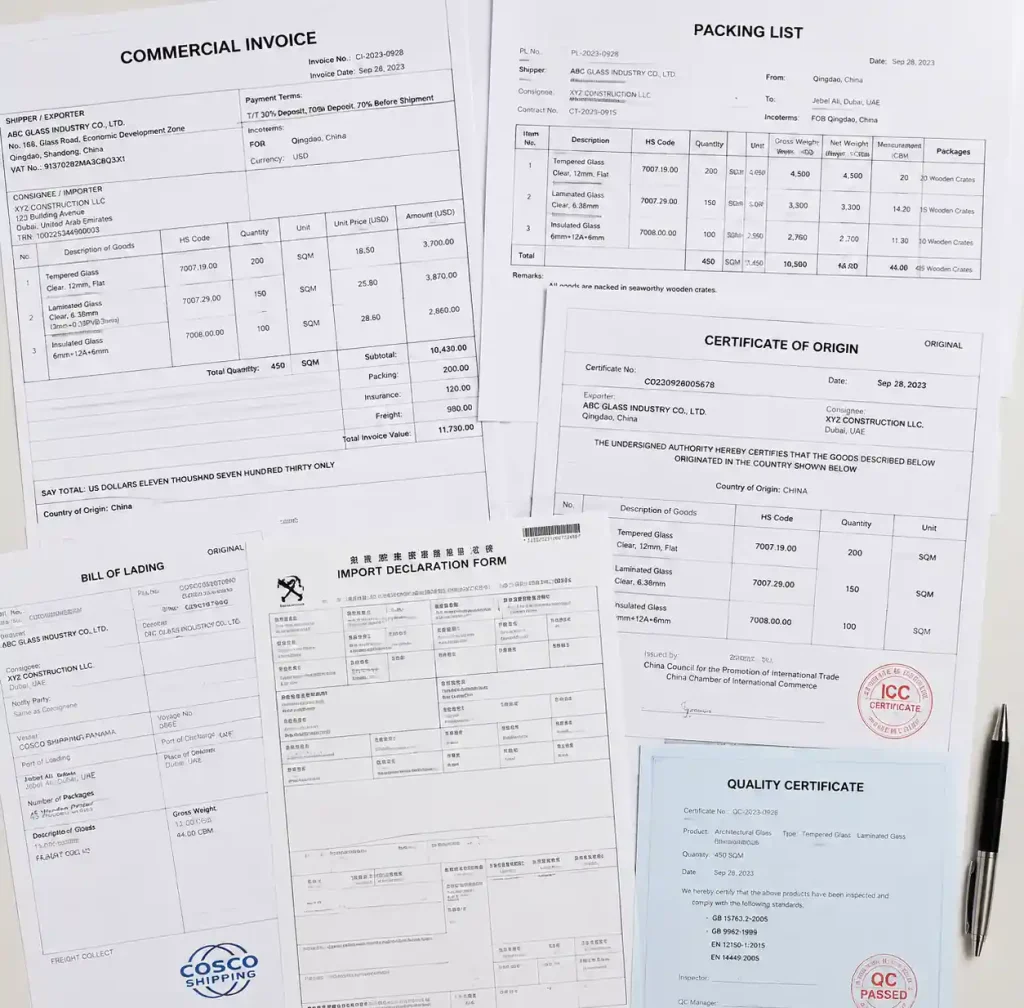
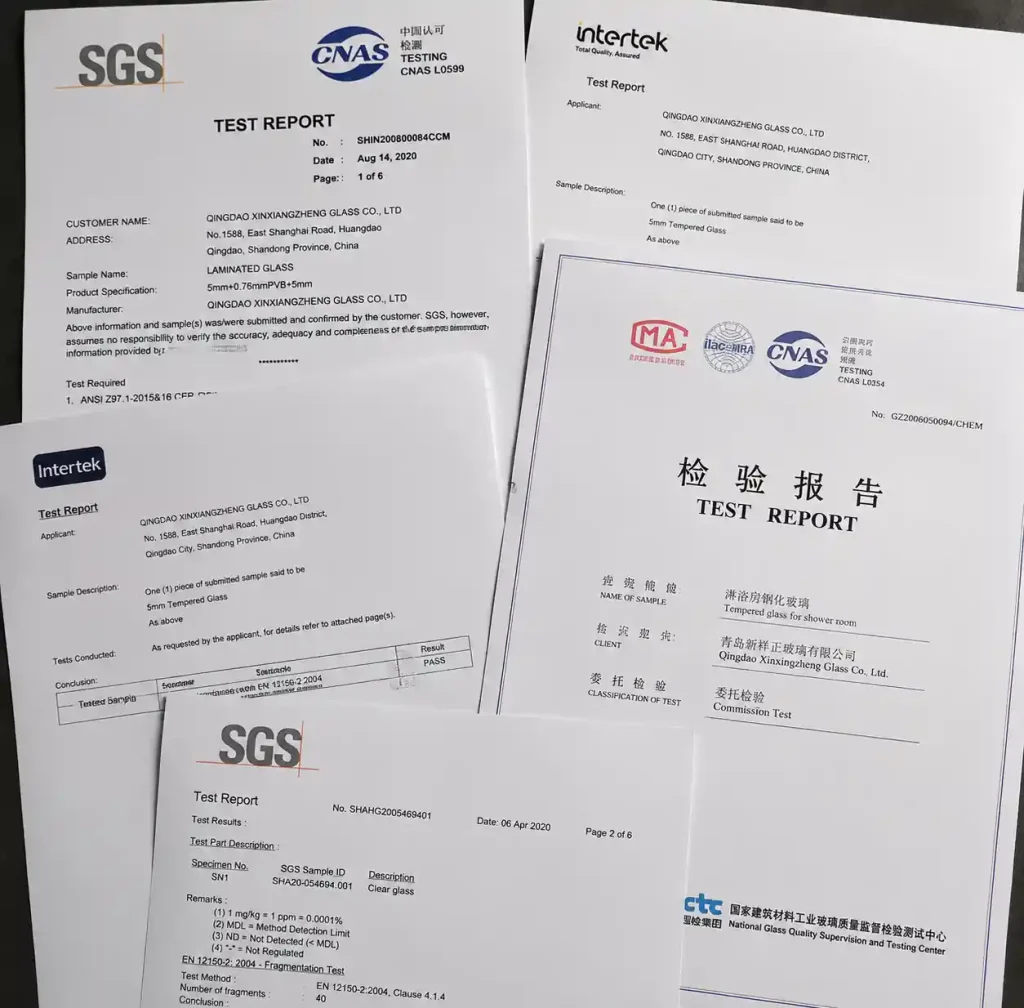
Incomplete documentation causes 60% of customs delays. Prepare these before shipment:
Commercial invoice: Detail exact glass specifications (dimensions, thickness, interlayer type, coating), country of origin, HS codes, and unit pricing. Generic descriptions like “glass panels” trigger inspections.
Packing list: Itemize each crate with dimensions, gross/net weight, and glass configuration. Customs cross-references this against container scans.
Safety certifications: ANSI Z97.1, CPSC 16 CFR 1201, or EN 12150 test reports proving safety glass compliance. European markets require CE marking. Middle East projects often demand SGCC certification.
Origin documentation: Form A or Certificate of Origin for preferential duty rates under trade agreements.
Fumigation certificate: Proves wooden packaging meets ISPM 15 standards. Without this, shipments get rejected at port.
Insurance and Risk Mitigation
Standard carrier liability caps at $1,000-$2,000 per shipment regardless of declared value—inadequate for architectural glass shipments worth $50,000-$200,000. Third-party cargo insurance is essential.
Coverage elements: All-risk coverage (not named-perils) including maritime transit, port handling, and inland transportation. Declared value matching invoice amount plus 10% for shipping costs. No deductible exceeding 2% of shipment value. Coverage extending through final delivery, not just to destination port.
Premium rates run 0.3-0.8% of cargo value depending on route and packaging quality. A $100,000 glass shipment costs $300-$800 to insure fully.
Damage claims protocol: Photograph damage before unpacking. Note defects on delivery receipt immediately. File claims within 48 hours with photographic evidence. Preserve all packaging materials—discarding packaging voids most claims even with photo evidence.
Transportation Routing
Port selection impacts total landed costs beyond ocean freight rates. Ningbo and Shanghai dominate Chinese glass exports, but Ningbo offers 10-15% lower inland trucking from Henan province.
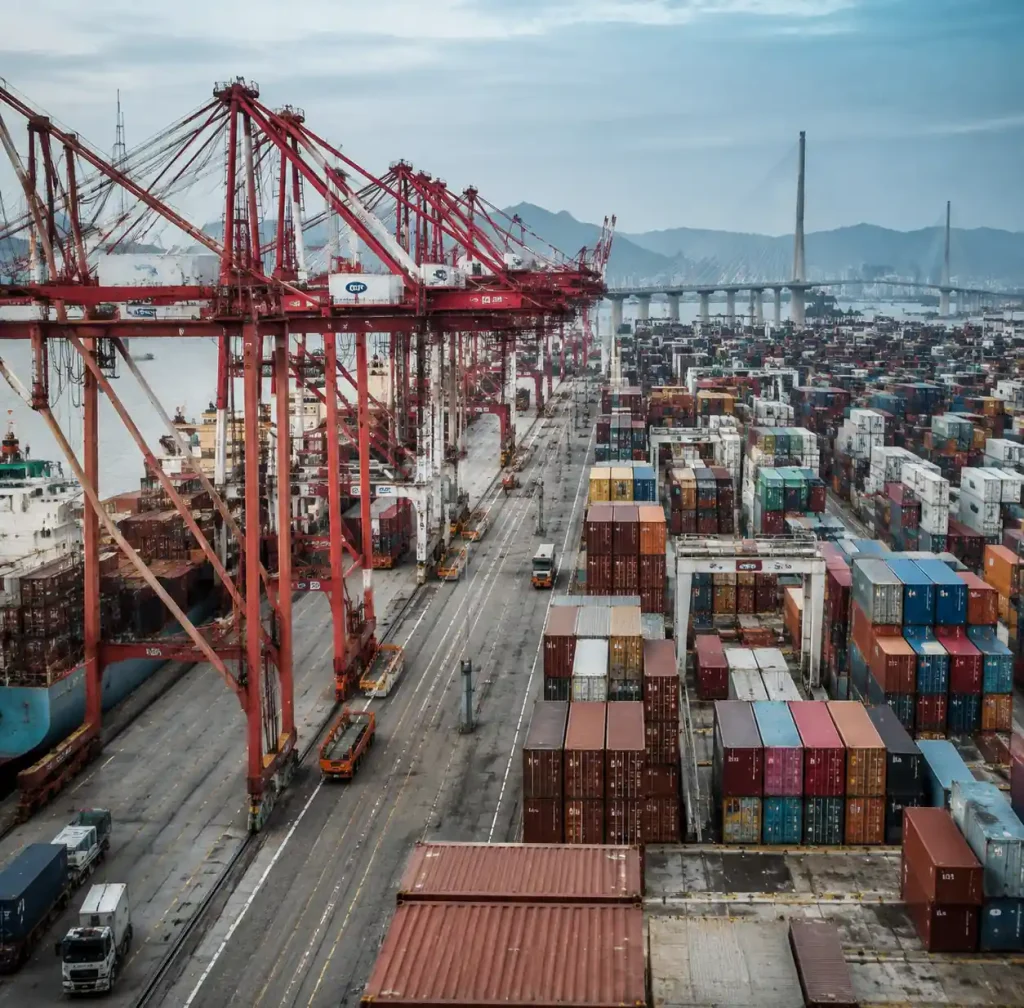
US destination ports: Los Angeles/Long Beach handle highest volume but suffer chronic congestion. For time-sensitive projects, consider Oakland (3-5 days faster clearance) or Seattle/Tacoma. East Coast shipments through Savannah or Norfolk avoid Panama Canal delays affecting New York/New Jersey.
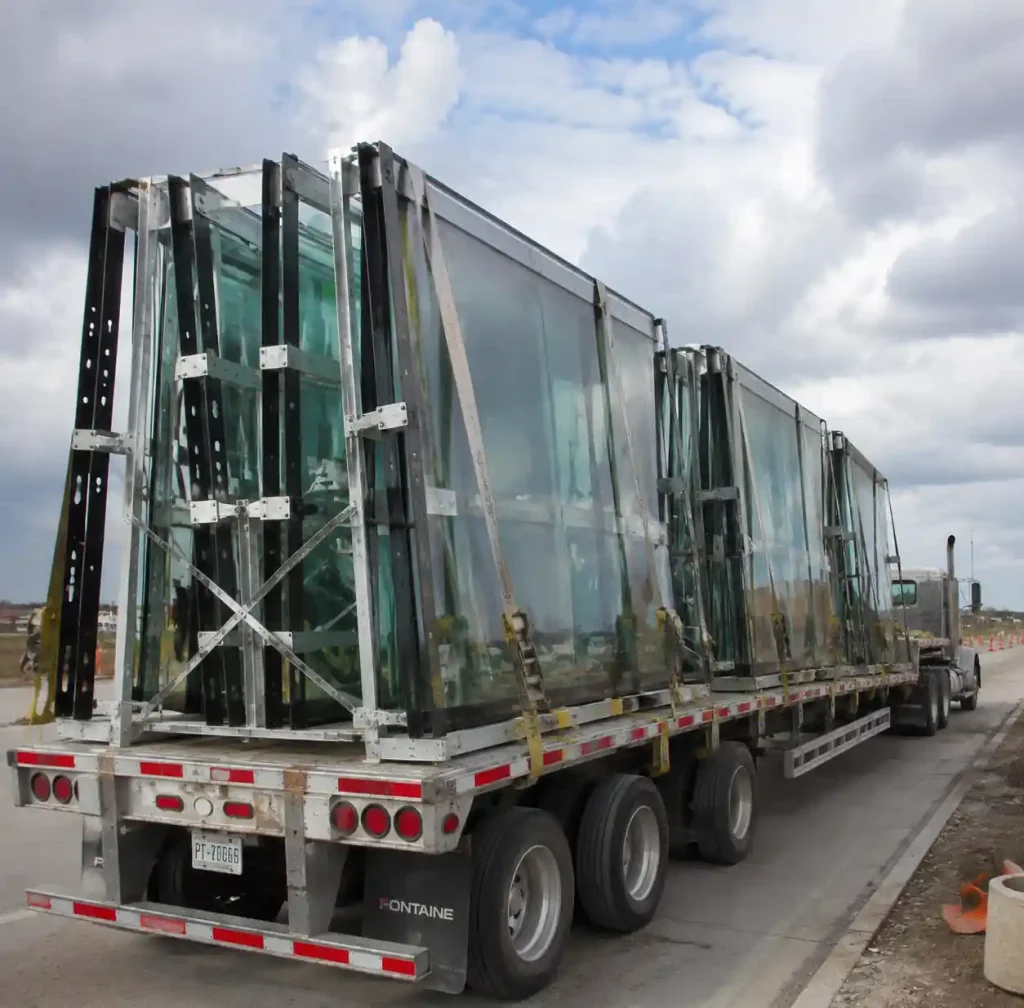
Inland transportation: Glass over 3.5 meters requires flatbed trucks with specialized racks. Budget $2.50-$4.00 per mile with $800-$1,200 minimums. Crane offloading adds $500-$1,500.
Route surveys become mandatory for panels exceeding 4 meters. Bridge clearances, turn radiuses, and overhead obstructions must be verified before transport.
Quality Inspection Protocols
Inspect glass before crating in China if project value exceeds $30,000. Third-party inspection services (SGS, Bureau Veritas, TÜV) cost $500-$1,200 per day but catch defects impossible to remedy after ocean transit.
Inspection checklist: Dimensional accuracy within ±2mm for curtain wall applications. Edge quality (no chips >3mm, no edge cracks). Optical distortion assessment using ASTM C1422 procedures. Interlayer bonding verification for laminated glass. Coating uniformity for Low-E glass.

Document everything with time-stamped photos. This evidence becomes critical if disputes arise post-delivery.
Lead Time Planning
Manufacturing lead times run 4-8 weeks depending on complexity. Add 4-6 weeks for ocean transit and customs clearance.
Project timeline: Order to production completion: 6-10 weeks. Container loading and export customs: 3-5 days. Ocean transit to US West Coast: 18-25 days. US customs clearance: 3-7 days. Inland transport: 1-7 days. Total: 14-20 weeks from order to site delivery.
Buffer 2-3 weeks for contingencies. Recommend placing orders before project scheduling finalizes rather than ordering to match critical paths.
Working with Freight Forwarders
Not all forwarders handle oversized glass competently. Vet candidates on experience with flat glass shipments, relationships with carriers offering specialized equipment, in-house customs brokerage, cargo insurance authority, and destination port agent networks.
Request detailed quotes covering all charges: ocean freight, bunker adjustment factor (BAF), currency adjustment factor (CAF), terminal handling charges (THC), customs clearance, and inland delivery. Hidden fees add 40-60% to base freight quotes.
Frequently Asked Questions
What’s the maximum glass size that can be imported via standard container?
11.5 meters loaded diagonally in a 40-foot high-cube container. Beyond this requires flat-rack containers or break-bulk vessels at 2.5-3× standard container rates.
How long does customs clearance take for architectural glass?
3-7 days for routine clearances with complete documentation. Incomplete paperwork or triggered inspections extend this to 2-4 weeks. Obtain binding tariff rulings and prepare certifications before shipment.
Do I need special permits for oversized glass transportation?
Domestic permits depend on dimensions. Loads exceeding 8’6″ width, 13’6″ height, or 53′ length typically require oversize load permits from each state traversed. Your freight forwarder should arrange these.
What happens if glass arrives damaged?
Photograph damage before unpacking and note defects on delivery receipt. File insurance claims within 48 hours with comprehensive documentation. Preserve packaging for adjuster inspection—discarding packaging voids claims. Third-party cargo insurance is essential for full value recovery.
Can laminated glass be shipped in cold weather?
Yes, with extra precautions. Use moisture barrier wrapping and desiccant packets inside crates. Allow 24 hours for panels to acclimate to ambient temperature before unpacking to prevent thermal shock to interlayer bonds.
How do I calculate total landed cost?
Sum: FOB factory price + inland China transport ($200-$500) + ocean freight ($8,000-$15,000 per container) + marine insurance (0.3-0.8% of cargo value) + destination port charges ($500-$800) + customs duties (0-12.5%) + customs broker fees ($150-$500) + inland delivery ($2.50-$4.00 per mile). Add 10-15% contingency.
Conclusion
Importing large-format architectural glass successfully demands expertise beyond standard freight logistics. The three critical factors are accurate HS code classification optimizing duty costs, engineered crating systems eliminating glass movement during transit, and comprehensive insurance protecting against jumbo panel fragility. Projects delayed months and incurring six-figure overruns typically stem from inadequate packaging or customs documentation errors.
Work with manufacturers understanding export logistics as deeply as glass manufacturing. At Zhongbo Glass, packaging and documentation processes have been refined through hundreds of international shipments to landmark projects including the Shanghai Museum East Hall and UAE embassy installations. Experience spans the complete supply chain from production lines capable of 28-meter panels to final installation coordination. The investment in proper logistics planning—typically 2-3% of glass value—pays through on-time delivery, zero breakage claims, and predictable landed costs.