In modern architecture, safety, functionality, and aesthetics are key considerations in building design. Anti-slip glass, a type of acid-etched or patterned glass, has emerged as an essential material that combines all three. Designed to reduce the risk of slipping while maintaining high light transmittance, anti-slip glass is increasingly used in both indoor and outdoor architectural projects.
This article explores the top applications of anti-slip glass in contemporary architecture and highlights how Henan Zhongbo Glass Co., Ltd. provides high-quality solutions for designers, builders, and property developers.
What Is Anti-Slip Glass?
Anti-slip glass is a safety and functional glass with a textured, patterned, or acid-etched surface that increases surface friction, minimizing the risk of slipping. Its surface treatments can include:
Acid etching
Sandblasting
Ceramic printing
Special embossing techniques
These processes create a non-slip surface while preserving transparency or light diffusion, allowing designers to maintain natural light flow in spaces without compromising safety. Anti-slip glass is available in a variety of colors, patterns, and thicknesses to suit both functional and decorative needs.
Key Advantages of Anti-Slip Glass
Enhanced Safety – The primary function is slip resistance, making it ideal for areas where glass is walked on, stepped on, or exposed to moisture.
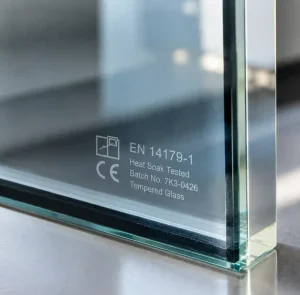
Durability – Anti-slip glass is often tempered or laminated, providing strength and resistance to breakage.
High Light Transmittance – Even with textured surfaces, it allows ample light to pass through, maintaining bright, airy interiors.
Decorative Flexibility – Available in various patterns, colors, and finishes, it adds aesthetic value to staircases, floors, and outdoor pathways.
Child-Friendly and Accessible – Reduces the risk of slipping for children and the elderly, increasing overall building safety.

Top Applications in Modern Architecture
1. Glass Flooring
Anti-slip glass flooring is increasingly popular in luxury residences, commercial buildings, and public spaces. The textured surface provides secure footing while allowing designers to create visually striking transparent or semi-transparent floors. Its slip resistance ensures safety even in high-traffic areas.
Example uses:
Luxury homes with glass balconies or floor sections
Shopping malls with glass atriums
Museums and art galleries
2. Stair Treads and Railings
Stairs are high-risk zones for slips and falls. Anti-slip glass stair treads provide both safety and modern elegance. They can be used as:
Indoor staircases: Smooth indoor lighting enhances the anti-slip pattern visibility
Outdoor staircases: Requires stronger slip resistance due to rain or moisture exposure
Adding anti-slip coatings ensures safe movement without sacrificing design aesthetics.
3. Bridges and Walkways
Anti-slip glass is ideal for pedestrian bridges and elevated walkways, particularly where transparency is desired for dramatic visual effects. Acid-etched or patterned glass increases traction even when wet, making it suitable for outdoor applications.
Benefits:
Enhances safety for pedestrians
Provides unobstructed views beneath glass surfaces
Supports structural integrity while remaining visually appealing
4. Swimming Pool Surrounds and Wet Areas
Anti-slip glass is perfect for areas prone to water exposure, such as pool decks, poolside walkways, and spa flooring. It offers superior friction even when wet, preventing accidents while maintaining a sleek and modern aesthetic.
5. Decorative Partitions and Balustrades
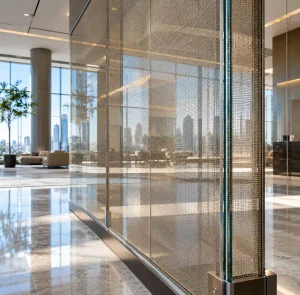
Beyond functional flooring, anti-slip glass can be used as decorative partitions, balustrades, or panels in both residential and commercial architecture. Patterns and textures provide privacy, diffuse light, and add a sophisticated design element.
Indoor vs. Outdoor Applications
Indoor anti-slip glass: Focuses on aesthetics and moderate slip resistance; commonly used in offices, malls, stair treads, and balconies.
Outdoor anti-slip glass: Requires stronger slip resistance and weather durability; applied in bridges, walkways, staircases, and pool areas.
The choice of technique (acid etching, sandblasting, ceramic printing) depends on the application and desired visual effect.

Henan Zhongbo Glass Co., Ltd: Expertise in Anti-Slip Glass
Henan Zhongbo Glass Co., Ltd specializes in high-quality architectural glass solutions, including anti-slip glass. With years of experience in glass processing, production, and custom design, the company provides products that meet both safety and aesthetic requirements for modern architecture.
Zhongbo Glass emphasizes:
Advanced acid-etching and patterning technologies
High-quality tempered and laminated safety glass
Customizable colors, patterns, and finishes
Durability and consistent slip resistance for indoor and outdoor projects
By combining safety, functionality, and design flexibility, Zhongbo Glass supports architects, designers, and builders in creating innovative, safe, and visually appealing spaces.
FAQ
Q1: What makes anti-slip glass different from regular glass?
Anti-slip glass has a textured or patterned surface that increases friction, preventing slipping while maintaining transparency or light diffusion.
Q2: Can anti-slip glass be used outdoors?
Yes. Outdoor applications require stronger slip resistance and durability to withstand rain, moisture, and weather conditions.
Q3: Is anti-slip glass safe for children?
Absolutely. The increased traction and slip resistance reduce accidents, making it suitable for homes, schools, and public spaces.
Q4: What surface treatments are used to make anti-slip glass?
Common techniques include acid etching, sandblasting, ceramic printing, and embossing. Each method affects both texture and appearance.
Q5: Can anti-slip glass be customized?
Yes. Companies like Henan Zhongbo Glass provide customizable patterns, colors, thicknesses, and finishes to suit specific architectural designs.

Conclusion
Anti-slip glass has become a versatile and essential material in modern architecture, providing safety, durability, and aesthetic appeal in areas such as staircases, glass floors, walkways, and pool surrounds. Its combination of functional performance and decorative flexibility makes it ideal for both indoor and outdoor applications.
With expertise from companies like Henan Zhongbo Glass Co., Ltd, architects and designers can implement anti-slip glass solutions that enhance safety while maintaining elegant, contemporary designs, ensuring buildings are both beautiful and secure.