
Electrically heated glass combines transparent architectural glazing with integrated conductive heating technology. Designed for commercial buildings, specialty infrastructure, and demanding environments, it delivers three core benefits: condensation control, frost and ice management, and uninterrupted visibility—even under extreme weather conditions.
Electrically heated glass uses an integrated heating element to warm the glass surface, helping reduce condensation and manage frost or ice in suitable environments.
Available configurations can be evaluated according to glass dimensions, construction, heating requirements and project conditions for commercial buildings and specialty applications.
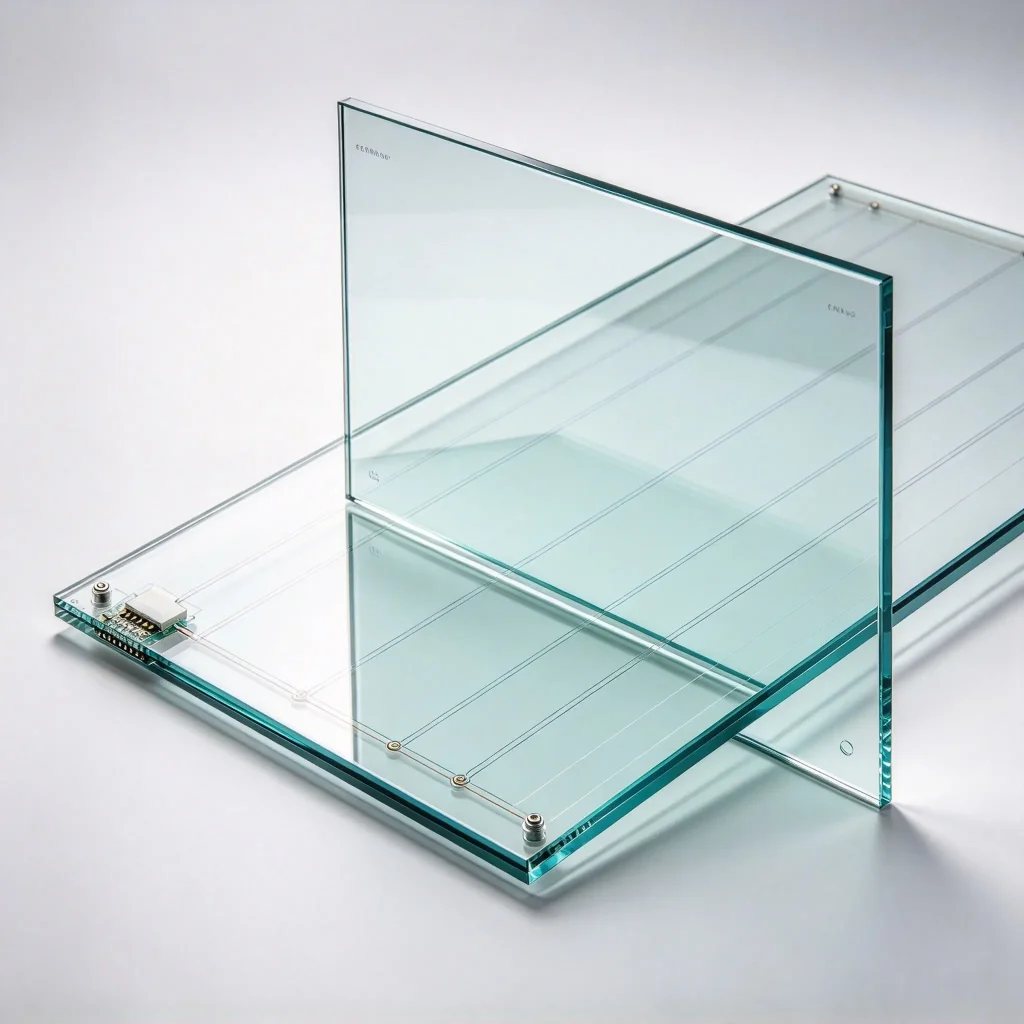
Our electrically heated glass solutions can be evaluated for a range of architectural and infrastructure projects, including curtain walls, skylights and roof glazing, windows and doors, glass bridges and transportation infrastructure.
Glass construction and heating specifications are assessed according to project requirements, environmental conditions and technical compatibility.
Specifications are subject to project requirements, technical evaluation and manufacturing capability.
| البند | التفاصيل |
|---|---|
| الحجم الأقصى | Subject to project requirements |
| سُمك الزجاج | قابل للتخصيص |
| نوع الزجاج | Subject to evaluation |
| Heating Technology | Conductive heating element |
| Glass Construction | Laminated / Insulated, subject to compatibility |
| Voltage | خاص بالمشروع |
| Heating Power | Application-dependent |
| التحكم في درجة الحرارة | Optional, subject to configuration |
| Main Functions | Anti-condensation / Defrosting / Snow melting |
| التطبيقات | Architectural and specialty glazing |
Helps reduce condensation by warming the glass surface in suitable environments.
Supports frost and ice removal when the heating system is designed for the application.
Combines transparent glazing with surface heating for selected architectural and specialty applications.
Glass dimensions, construction and electrical specifications can be evaluated according to project requirements.
Different heated glass configurations serve different functional and glazing requirements. The final solution depends on the intended application and technical compatibility.
| نوع المنتج | Main Function | التطبيقات النموذجية | الاعتبارات الرئيسية |
|---|---|---|---|
| Anti-Condensation Glass | Helps reduce condensation | Windows, glass partitions | Surface temperature |
| Defrosting Glass | Helps clear frost and ice | Specialty windows | Heating power |
| Snow-Melting Glass | Helps manage snow and ice | Skylights, glass roofs | Outdoor conditions |
| Heated Insulating Glass | Combines heating with insulated glazing | Architectural windows | IGU compatibility |
| Heated Laminated Glass | Combines heating with laminated construction | Specialty glazing | Safety and compatibility |
| Marine Heated Glass | Supports visibility in demanding environments | Marine glazing | Environmental requirements |
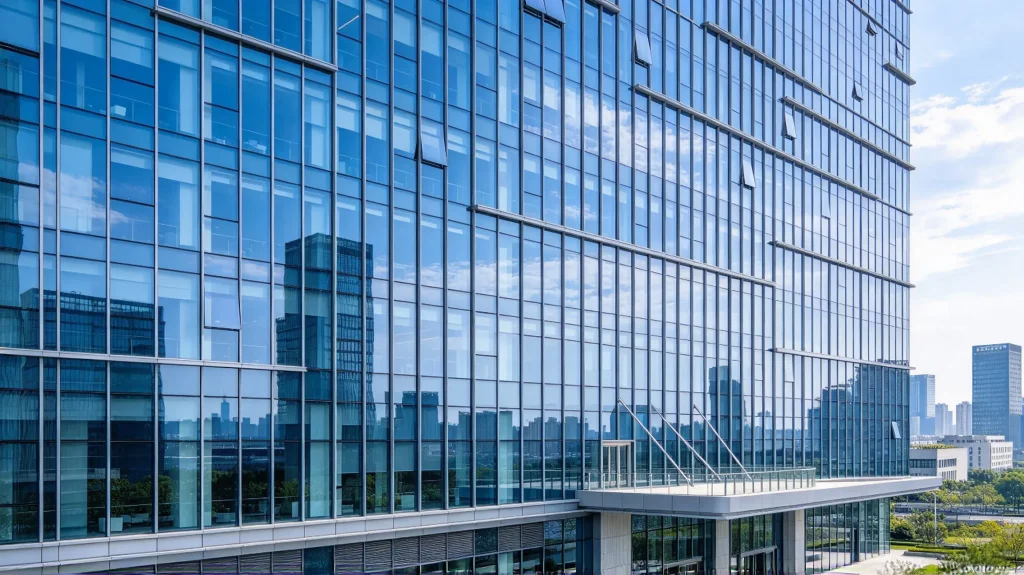
In commercial buildings and large glazed facades, heated glass can help reduce surface condensation under suitable conditions. Explore our زجاج النوافذ والأبواب و زجاج الحائط الساتر الحلول.
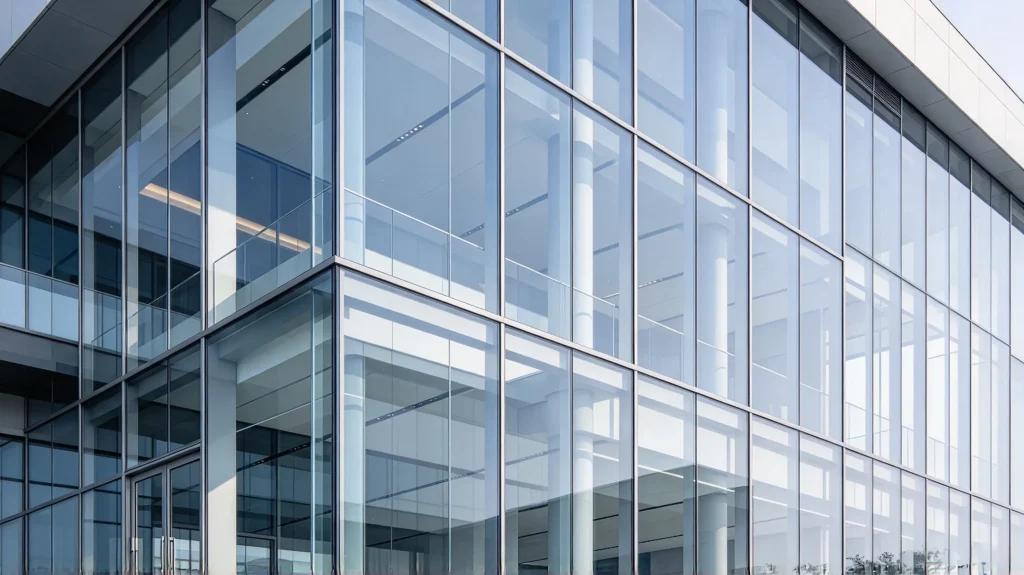
For overhead glazing exposed to cold weather, a properly designed heating system can help manage snow and ice accumulation. See our المناور وزجاج السقف الحلول.
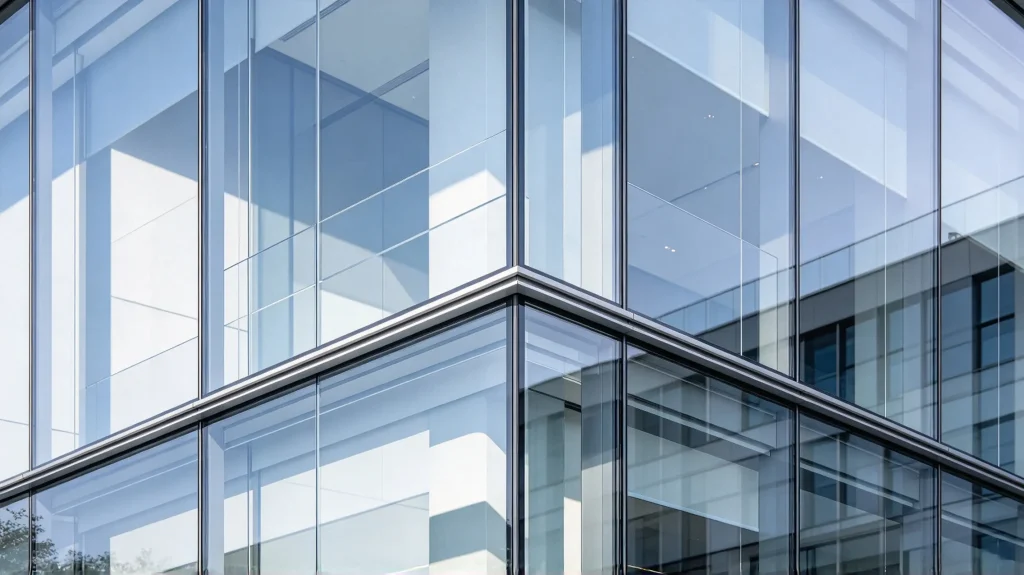
Projects with specific structural or safety requirements may need additional evaluation of the glass construction. Depending on the application, زجاج مصفح, زجاج مقسّى أو زجاج معزول may be relevant options to assess for compatibility.
Electrically heated glass incorporates a heating element that generates heat when connected to a compatible power supply.
It can help reduce condensation and manage frost or ice in suitable architectural and specialty glazing applications.
Glass dimensions, construction and electrical specifications can be evaluated according to project requirements and manufacturing capability.
Potentially, yes. The glass structure, heating performance, installation conditions and safety requirements must be assessed for the specific project.
Please provide the application, glass dimensions, required glass construction, heating requirements and available drawings or technical specifications.
Share your project details to discuss suitable glass configurations, heating requirements and technical compatibility for your architectural or specialty glazing application.