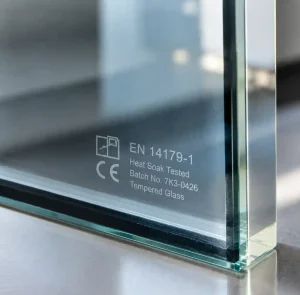
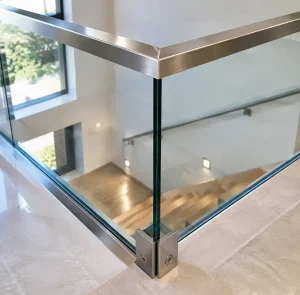
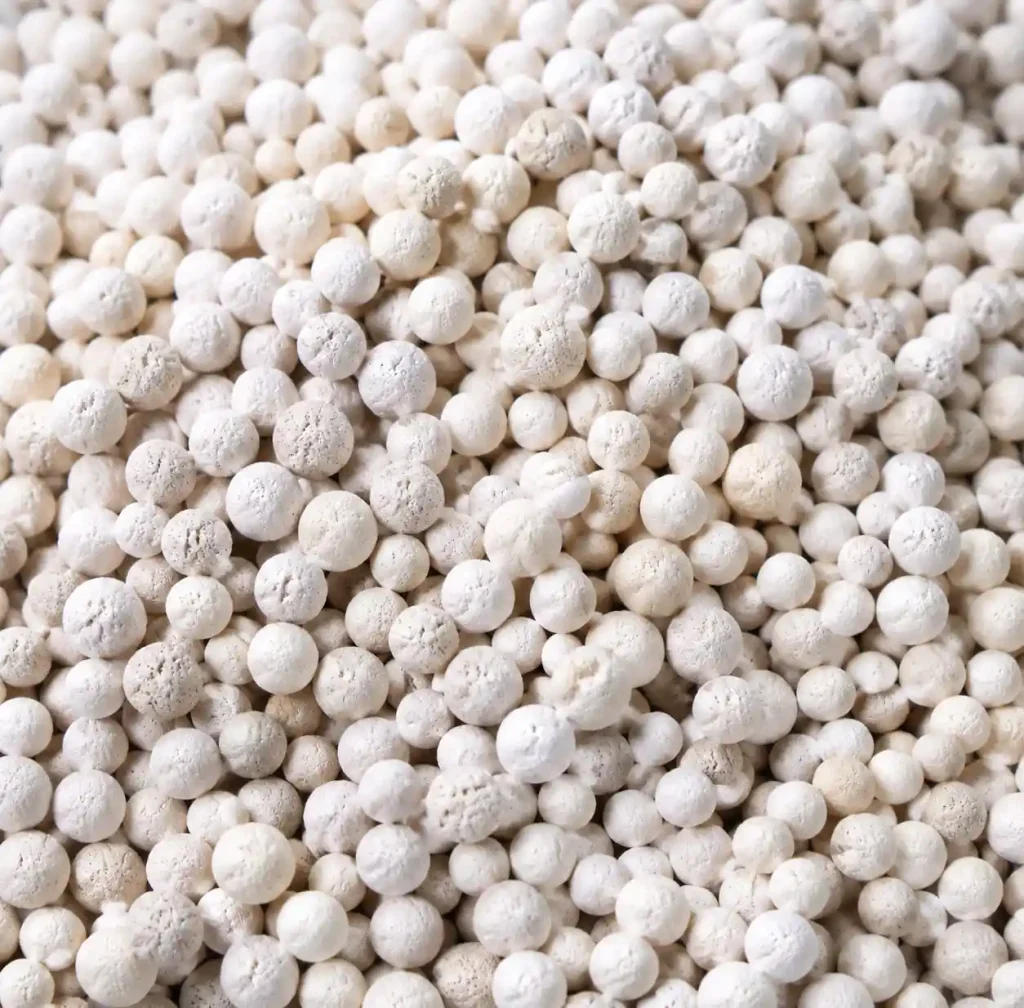
Condensation in insulated glass units (IGUs) can be eliminated through three critical strategies: maintaining hermetic seals with high-quality desiccants to prevent internal condensation, using warm-edge spacer technology to raise interior glass surface temperatures above the dew point, and controlling indoor humidity levels below 40-50% relative humidity. These approaches address the root cause—temperature differentials that allow moisture to condense when glass surfaces drop below the dew point of surrounding air.
Understanding Condensation Formation in IGUs
Condensation occurs when glass surface temperature falls below the dew point—the temperature at which water vapor in air converts to liquid. In IGUs, three distinct condensation zones exist with different causes and remedies.
Interior Surface Condensation develops when warm, humid indoor air contacts cold glass. At 21°C indoor temperature and 50% relative humidity, the dew point sits at 10.3°C. Any glass surface colder than this temperature collects moisture.
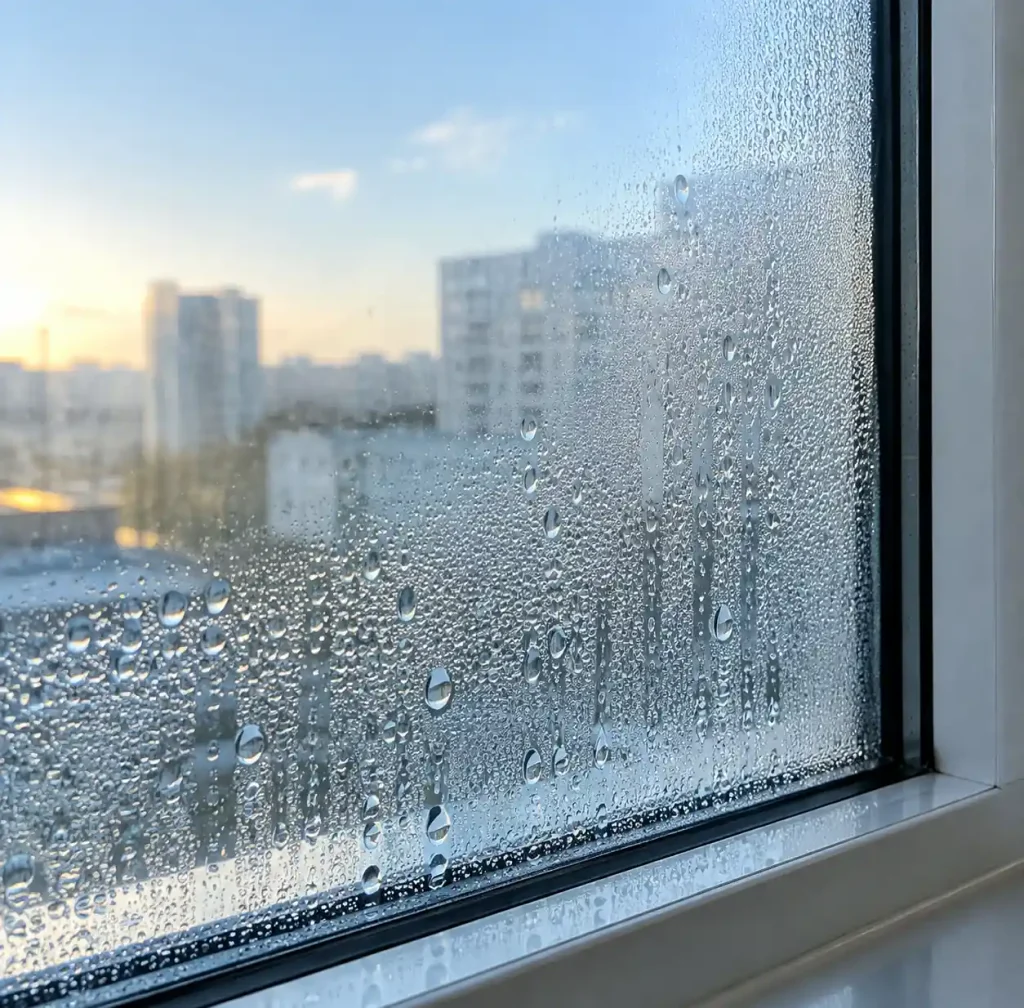
External Surface Condensation appears on high-performance IGUs with Low-E coatings. The exterior pane remains cold because minimal heat escapes. On clear nights with high outdoor humidity, the outer glass drops below ambient dew point through radiative cooling. This validates energy efficiency rather than indicating defects.
Internal Condensation between panes signals seal failure. IGU cavities contain desiccant-dried air or inert gas at extremely low dew points (-40°C to -70°C). When edge seals fail, humid air penetrates the cavity. Once desiccant saturates, condensation and permanent fogging occur, requiring complete unit replacement.
Dew Point Calculation and Surface Temperature Prediction
Accurate dew point calculations enable condensation risk assessment. For typical commercial conditions at 22°C and 45% RH, dew point equals 9.3°C. Interior glass surfaces must remain above this temperature to prevent condensation.
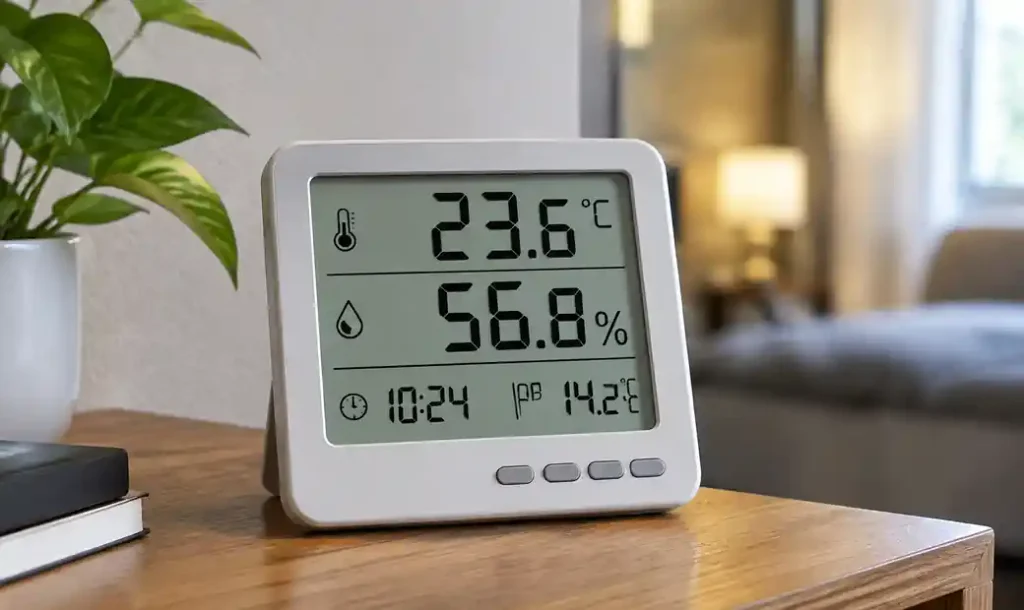
Surface temperature prediction depends on IGU U-value and temperature differential. The formula: Tsi = Ti – U × (Ti – To) / hi, where hi = 8 W/m²·K. At Zhongbo Glass, our Ябульский форум project required triple-glazed units with U-values below 0.8 W/m²·K to prevent condensation at -40°C exterior temperatures.
Critical Factors Affecting Condensation Risk
| Фактор | High Risk Configuration | Low Risk Configuration | Impact Level |
|---|---|---|---|
| IGU U-Value | >2.0 W/m²·K (single Low-E) | <1.0 W/m²·K (triple glazed) | Критический |
| Тип прокладки | Aluminum (high thermal bridging) | Warm-edge (TPS, foam) | Высокий |
| Indoor Humidity | >60% RH sustained | 30-45% RH controlled | Критический |
| Gas Fill | Air-filled cavity | Argon or krypton fill | Умеренный |
| Низкоэмиссионное покрытие | None or single coating | Double Low-E (surfaces 2 and 5) | Высокий |
| Качество уплотнения кромок | Single seal or aged PIB | Dual seal with fresh desiccant | Критический |
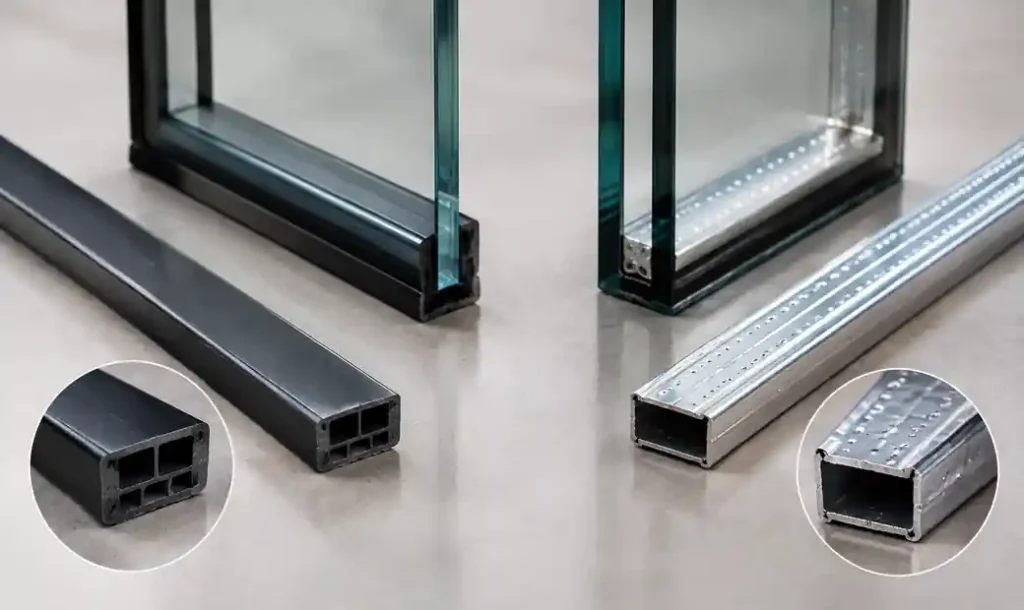
Aluminum spacers create substantial thermal bridges at IGU edges, dropping perimeter glass temperatures 3-5°C below center-of-glass temperatures. Warm-edge spacers using thermoplastic, foam, or composite materials reduce edge heat loss by 50-70%, significantly raising edge temperatures.
Технология прокладок «Warm Edge»
Spacer bar thermal conductivity dominates edge-of-glass temperature and condensation resistance. Traditional aluminum spacers (160 W/m·K) create cold perimeter zones. Warm-edge alternatives reduce this dramatically.
| Тип прокладки | Thermal Conductivity (W/m·K) | Edge Temperature Gain | Надбавка на затраты |
|---|---|---|---|
| Алюминий | 160 | Baseline (0°C) | Исходные данные |
| Нержавеющая сталь | 16 | +1.5 to +2.5°C | +15-25% |
| TPS (термопластик) | 0.2-0.3 | +3 to +4°C | +30-45% |
| Foam/Silicone | 0.03-0.06 | +4 to +5°C | +40-60% |
| Composite/Hybrid | 0.5-2.0 | +2.5 to +3.5°C | +25-35% |
In a typical winter scenario (21°C indoor, -10°C outdoor, 45% RH, dew point 9.3°C), aluminum spacer edges reach 7-8°C (condensation forms) while TPS warm-edge spacers maintain 11-12°C (remains dry). For a 1.5m × 2.0m window, aluminum spacers contribute 15-20% of total heat loss. Warm-edge technology reduces this by 50-70%.
Low-E Coating Position and Gas Fill Strategy
Low-emissivity coating placement fundamentally alters surface temperature distribution. Standard glass surface numbering: surface 1 (outside), surface 2 (exterior pane interior face), surface 3 (interior pane exterior face), surface 4 (room side).
Heating-Dominant Climates: Position Low-E on surface 3 to reflect interior heat back, keeping surface 4 warmer above interior dew point during cold weather.
Cooling-Dominant Climates: Position Low-E on surface 2 to reflect solar heat before entering the cavity, though this may lower interior glass temperature requiring humidity control.
Triple-Glazed Units: Dual Low-E coatings (surfaces 2 and 5) provide optimal performance. Our Международный конференц-центр «Байюнь» project utilized Low-E on surface 3, achieving U-values of 1.4 W/m²·K while maintaining surface temperatures above 14°C.
Cavity gas fill impacts both U-value and temperature distribution. Argon (0.016 W/m·K) outperforms air (0.024 W/m·K) by 33%. Krypton (0.0086 W/m·K) costs 10-15× more, justifying use only in narrow cavities or extreme-performance specs. A double-glazed unit with 16mm cavity shows: air fill reaches 12.5°C surface temp (U=2.7), argon fill reaches 13.2°C (U=2.5), krypton reaches 13.7°C (U=2.3) at -10°C exterior, 21°C interior with Low-E surface 3.
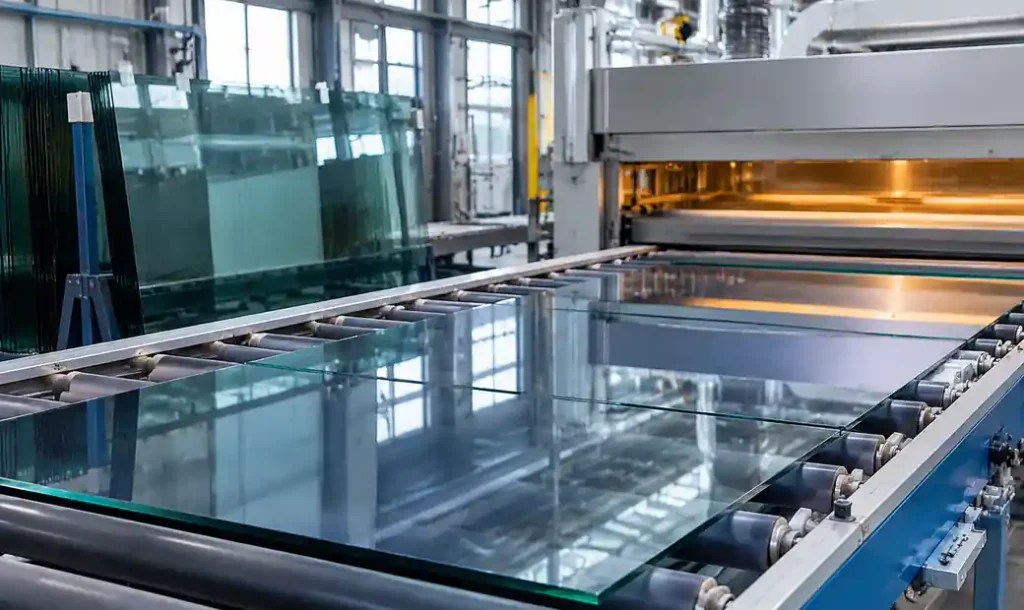
At Zhongbo Glass, we specify argon fill as standard for all стеклопакеты exceeding 1.5 m². Our manufacturing ensures minimum 90% initial argon concentration, verified by gas chromatography.
Humidity Control and Manufacturing Quality
Interior condensation prevention requires managing both glass temperature and indoor humidity. Even high-performance IGUs condense moisture when indoor RH exceeds 60% during cold weather.
Recommended Indoor Humidity by Outdoor Temperature:
| Outdoor Temperature | Maximum Indoor RH | Dew Point at 21°C Indoor |
|---|---|---|
| -30°C and below | 20-25% | 0 to 3°C |
| -20°C to -10°C | 30-35% | 6 to 8°C |
| -10°C to 0°C | 35-40% | 8 to 10°C |
| Above 0°C | 40-50% | 10 to 13°C |
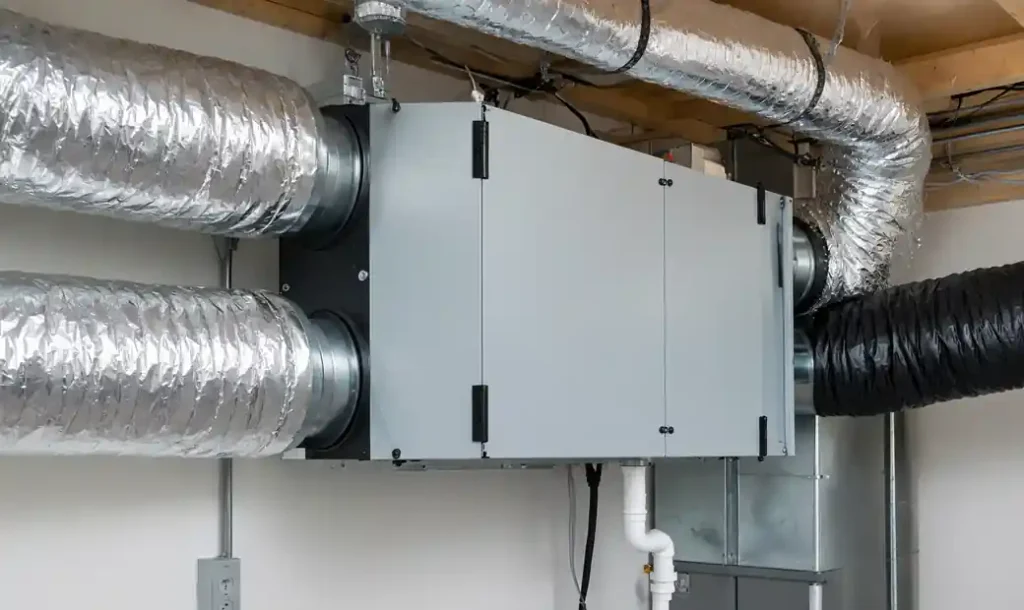
Mechanical ventilation with heat recovery (HRV/ERV) provides controlled humidity management without excessive heat loss, capturing 70-85% of sensible heat. Commercial kitchens and natatoriums generate 10-15 kg moisture per hour, demanding dedicated exhaust plus upgraded IGU specifications (U-values <1.0 W/m²·K).
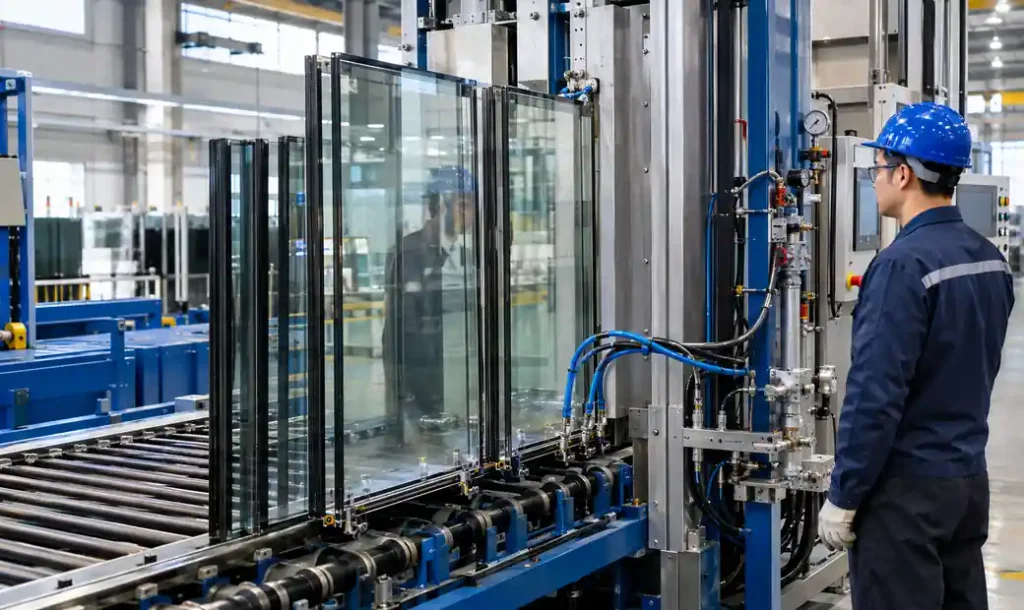
Manufacturing Quality Control at Zhongbo Glass: Our quality assurance addresses critical control points. Polyisobutylene (PIB) primary seal achieves continuous, void-free contact at 110-130°C. Automated systems meter precise desiccant quantities—minimum 25 g/m for aluminum spacers. Glass washing uses deionized water achieving <0.5 mg/dm² residual contamination. Secondary sealants require complete cure (polysulfide 7-14 days, silicone 10-21 days) before shipping. 100% production undergoes helium leak testing with dewpoint below -40°C acceptance.
Our largest production line (4.2m × 28m) manufactures IGUs up to 3660mm × 28000mm—among the world’s largest capabilities, demanding exceptional quality control since minor defect rates create significant waste in jumbo units.
Лучшие практики установки
Proper installation preserves IGU condensation resistance. Field failures often trace to installation errors rather than manufacturing defects.
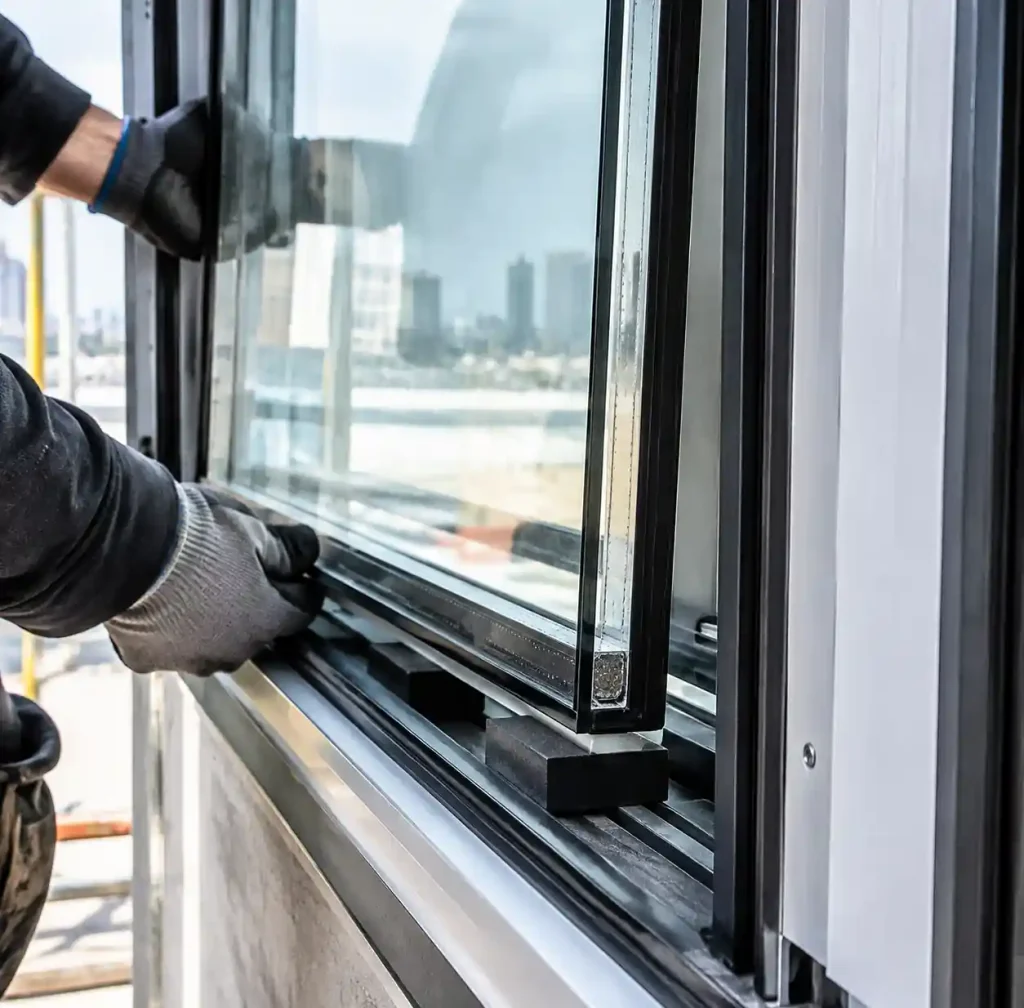
Edge Clearance: IGUs require 3-5mm minimum clearance on all edges within the frame, accommodating thermal expansion/contraction (0.1mm per meter per 10°C) and preventing seal compression creating moisture pathways.
Setting Blocks: Support IGUs on neoprene or EPDM setting blocks at quarter points, never on frame members directly. Blocks should occupy 10% of glass width. Hard contact between glass and metal creates thermal bridges and condensation sites.
Drainage: Frame systems must include weep holes every 600-800mm to drain water. Blocked drainage traps moisture against edge seals, accelerating degradation.

Sealant Compatibility: Exterior glazing sealants must be compatible with IGU edge sealants. Silicone sealants releasing acetic acid or alcohols can attack polysulfide or polyurethane seals. We specify neutral-cure silicones for all IGU installations.
Troubleshooting Condensation Issues
Transient interior condensation (appearing during cold nights, disappearing during day) indicates adequate IGU performance but insufficient ventilation or excessive humidity. Solution involves humidity control, not glass replacement. Increasing interior air circulation across glass can raise edge temperatures above dew point.
Persistent edge condensation with normal humidity suggests thermal bridging at perimeter. If immediate replacement isn’t feasible, ceiling fans or strategically positioned vents help.
Internal condensation between panes admits no field repair. The IGU seal has failed, desiccant is saturated, requiring unit replacement. Attempting to “dry out” failed units by drilling holes or heating worsens the problem by introducing additional moisture.
ЧАСТО ЗАДАВАЕМЫЕ ВОПРОСЫ
What causes condensation between the glass panes in an IGU?
Internal condensation results from edge seal failure allowing humid air to enter the sealed cavity. Once the desiccant material saturates, moisture condenses on interior surfaces. This condition requires complete IGU replacement as the hermetic seal cannot be restored in the field.
How do I know if my IGU condensation is normal or a defect?
Exterior condensation on the outside glass surface indicates excellent insulation—the outer pane stays cold because minimal heat escapes. Interior room-side condensation during cold weather with high indoor humidity is common and addresses with ventilation. Only internal fogging between panes indicates unit failure.
Can warm-edge spacers prevent all condensation?
Warm-edge spacers significantly reduce edge condensation risk by raising glass edge temperatures 3-5°C above aluminum spacers. However, they cannot prevent condensation if indoor humidity exceeds recommended levels. Condensation prevention requires combining proper IGU specification with appropriate indoor humidity control.
What is the typical service life before IGU seals fail?
Quality dual-seal IGUs typically maintain hermetic integrity for 20-30 years in moderate climates. Service life reduces in extreme environments—intense solar exposure accelerates seal aging, while significant daily temperature cycling stresses edge seals. Manufacturing quality and installation practices dramatically impact longevity.
Do triple-glazed IGUs eliminate condensation risk?
Triple glazing with U-values below 0.8 W/m²·K keeps interior surface temperatures well above typical dew points, virtually eliminating interior surface condensation risk in buildings with normal humidity control. However, external condensation may occur more frequently due to excellent insulating performance keeping the exterior pane cold.
How does Low-E coating position affect condensation?
Low-E coatings on surface 3 (interior pane exterior face) keep the room-side glass surface warmest, providing maximum condensation resistance in heating-dominated climates. Surface 2 coatings prioritize solar control but may reduce interior glass temperature, requiring attention to humidity levels in mixed climates.
Заключение
Effective condensation risk management in insulated glass units requires integrated attention to IGU construction, installation quality, and building operation. High-performance specifications—warm-edge spacers, argon gas fill, optimized Low-E coating positions, and U-values below 1.2 W/m²·K—provide robust condensation resistance under normal operating conditions.
Manufacturing quality determines long-term performance. Proper desiccant loading, continuous primary seals, complete secondary seal cure, and verified leak testing ensure IGUs maintain hermetic integrity throughout their 20-30 year service life. At Zhongbo Glass, our quality assurance program incorporates these control points across production of units ranging from standard sizes to specialized jumbo panels up to 3660mm × 28000mm.
Building operators must maintain indoor relative humidity below 45-50% during heating seasons. Even the highest-performance glazing condenses moisture when interior humidity becomes excessive. Mechanical ventilation with heat recovery provides humidity control without comfort sacrifice. The condensation prevention strategies outlined here reflect our direct manufacturing and project experience across climate zones from tropical Guangzhou to subarctic Heilongjiang, creating IGU systems that remain condensation-free throughout their designed service life.