Spacer systems are the unsung heroes of insulated glass unit (IGU) performance. After 15 years in architectural glazing, I’ve seen how the wrong spacer choice leads to condensation complaints, energy failures, and warranty claims. The debate between aluminum and warm edge spacers isn’t about preference—it’s about physics, economics, and building performance.
This guide breaks down the thermal bridging, structural capabilities, durability factors, and cost-benefit analysis you need to specify the right spacer system.
What Spacer Systems Actually Do
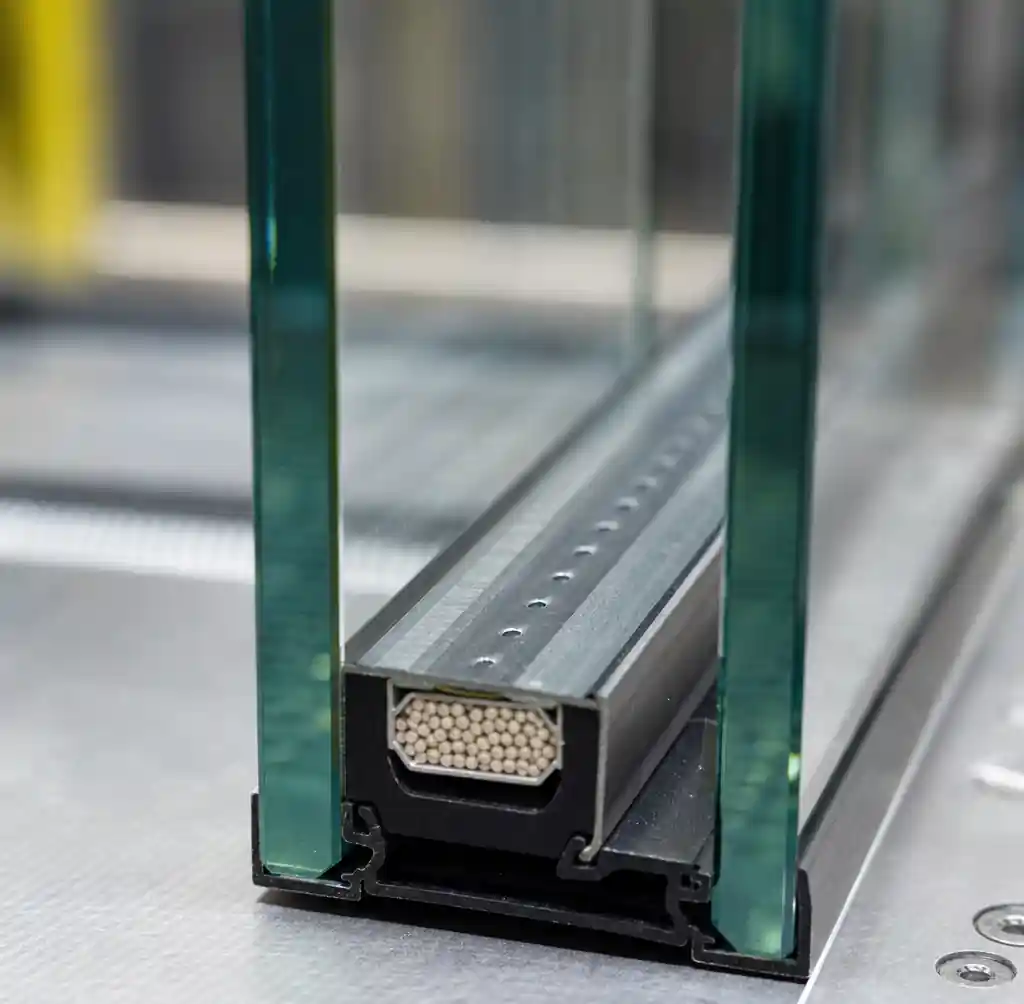
The spacer sits between glass panes, maintaining the cavity gap while sealing in insulating gas and keeping moisture out. This component directly impacts thermal efficiency, condensation resistance, and IGU longevity.
Traditional aluminum spacers dominated for decades due to low cost and easy fabrication. Warm edge spacers emerged in the 1990s using stainless steel, structural foam, and composite polymers to address aluminum’s thermal bridging problem.
Thermal Performance: The 200x Conductivity Problem
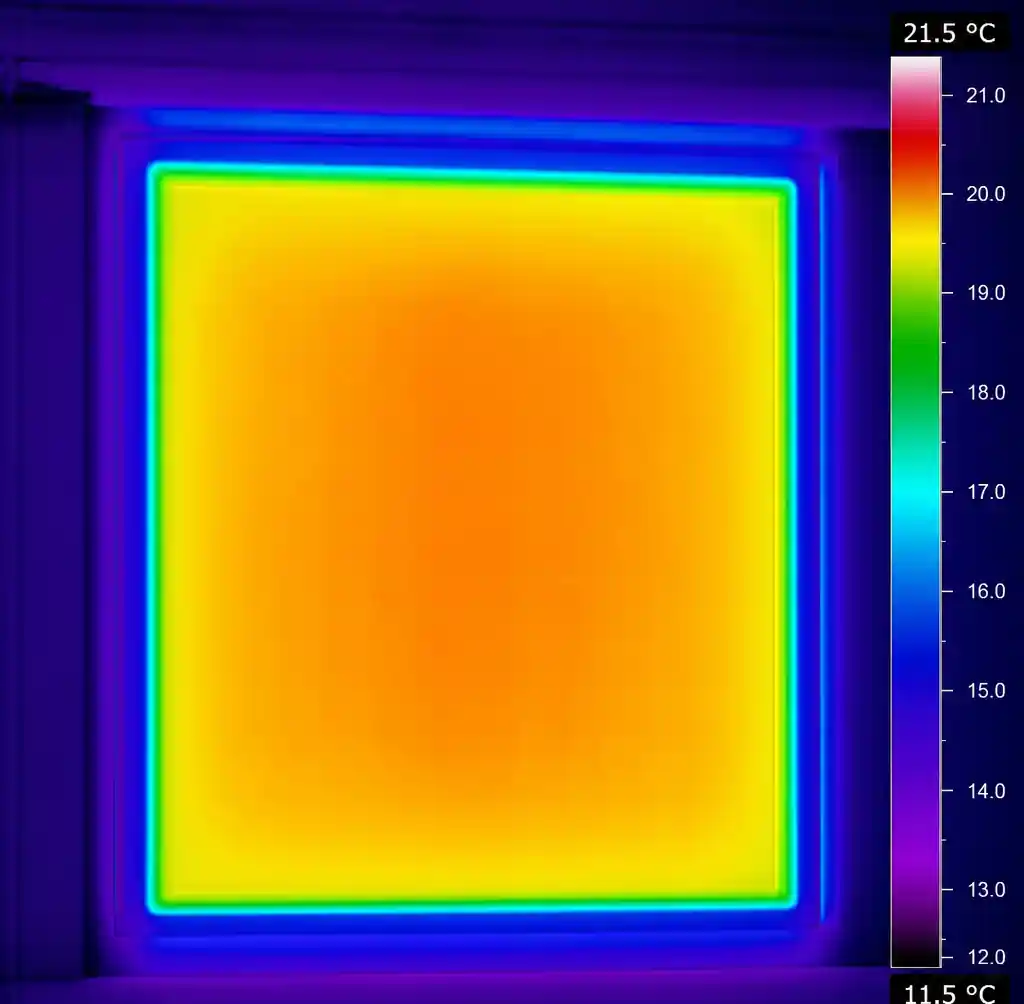
Aluminum conducts heat approximately 200 times faster than air. In winter, an aluminum spacer creates rapid cold transfer from exterior to interior glass surfaces. This creates the coldest zone in your IGU—the glass edge—where interior surface temperatures drop 5-8°C below center-of-glass readings.
Warm edge spacers reduce edge heat loss by 20-30% compared to aluminum. Stainless steel conducts heat 15 times slower than aluminum, while structural foam spacers approach the thermal resistance of the gas cavity itself.
U-Value Impact
| Spacer Type | Edge U-Value (W/m²K) | Center-of-Glass U-Value (W/m²K) | Overall Window U-Value (W/m²K) |
|---|---|---|---|
| Aluminum | 1.8-2.2 | 1.1 | 1.4-1.5 |
| Stainless Steel | 1.3-1.5 | 1.1 | 1.2-1.3 |
| Structural Foam | 1.1-1.3 | 1.1 | 1.1-1.2 |
| TPS (Thermoplastic) | 1.0-1.2 | 1.1 | 1.1-1.15 |
In a typical commercial curtain wall, the spacer edge zone represents 15-20% of total glazing area. Upgrading from aluminum to high-performance warm edge can improve overall window U-value by 0.2-0.3 W/m²K—a 15-20% gain.
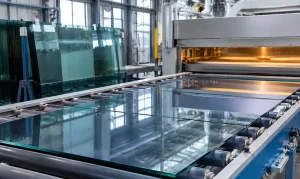
At Zhongbo Glass, our insulated glass production lines accommodate spacer widths from 6mm to 27mm across panels up to 3660mm × 28000mm. We’ve manufactured over 50,000 m² of warm edge IGUs for projects like the Qingpu Huawei R&D Center, where thermal performance demanded stainless steel spacers throughout.
Condensation Resistance: Why Glass Edges Fog First
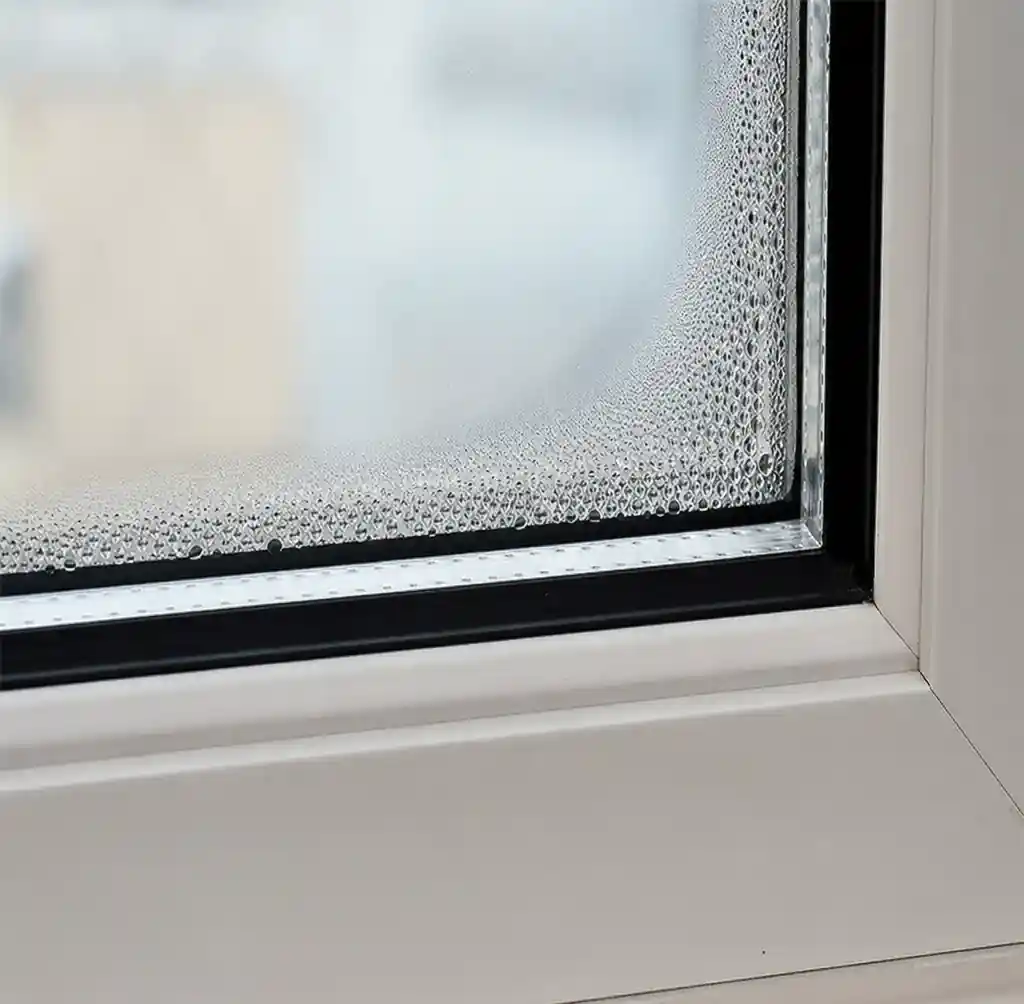
Condensation forms when interior glass surface temperature drops below the dew point of indoor air. The glass edge is always the first failure point because spacer thermal bridging creates the coldest surface.
With aluminum spacers at -10°C outdoor temperature and 21°C/50% RH indoors, edge surface temperatures can drop to 8-10°C—below the 10.8°C dew point. Condensation is inevitable.
Warm edge spacers raise edge surface temperatures by 3-5°C, keeping them above dew point except in extreme conditions. This matters in high-humidity applications like indoor pools, hospitals, and commercial kitchens where we’ve replaced aluminum IGUs due to chronic edge condensation.
Condensation Resistance Temperature (CRT)
| Spacer System | CRT Rating (°C) | Indoor RH Threshold at -10°C Outdoor |
|---|---|---|
| Standard Aluminum | -35 to -40 | 40-45% RH |
| Stainless Steel | -50 to -55 | 55-60% RH |
| Structural Foam | -55 to -60 | 60-65% RH |
| Advanced TPS | -60 to -65 | 65-70% RH |
Higher CRT ratings mean the spacer maintains warmer edge temperatures at lower outdoor conditions, preventing condensation at higher indoor humidity levels.
Structural Performance and Durability
Aluminum spacers excel in structural rigidity, maintaining cavity width under wind load, thermal cycling, and pressure changes. This matters in large-format panels where dimensional stability prevents seal stress.
Modern structural foam and stainless steel spacers match aluminum’s structural performance while delivering thermal benefits.
Seal Integrity and Gas Retention
Dual-seal IGUs use primary and secondary sealants. Spacer dimensional stability prevents seal stress that causes gas loss and moisture ingress.
Aluminum spacers typically maintain less than 1% annual gas loss. Quality warm edge systems achieve similar performance with proper corner fabrication.
Thermoplastic spacers (TPS) eliminate corner joints through continuous bending, reducing leak paths. In our Low-E insulated glass production, TPS systems show 0.5-0.8% annual argon loss versus 1-1.2% for aluminum.
All spacers contain desiccant to absorb moisture. For panels exceeding 6 m², enhanced desiccant capacity is critical. Moisture failure appears as edge fogging and requires complete IGU replacement.
Installation and Fabrication Considerations
Aluminum spacers dominate because fabrication is straightforward. Standard equipment cuts, corners, and assembles channels quickly.
Warm edge spacers need different equipment. Rigid systems like stainless steel use similar processes to aluminum. Flexible spacers and TPS need specialized applicators.
Smaller fabricators may lack warm edge capabilities. Lead times can extend 2-3 weeks versus aluminum.
At Zhongbo Glass, our three insulated glass production lines handle both aluminum and TPS spacers with 15-20 working day lead times.
Cost Analysis: First Cost vs Lifecycle Value
Aluminum spacers cost $3-5 per linear meter. Warm edge spacers range from $8-15 per linear meter. For a standard commercial curtain wall IGU (1500mm × 2500mm):
- Aluminum spacer: $24-40 per unit
- Stainless steel spacer: $64-96 per unit
- TPS spacer: $80-120 per unit
The warm edge premium is $40-80 per IGU, or $15-30 per m² of glazing.
Energy Savings Payback
A 0.2 W/m²K U-value improvement reduces heating energy by 15-25 kWh/m² annually in cold climates. At $0.12/kWh, that’s $1.80-3.00 per m² per year.
The warm edge premium pays back in 5-10 years through energy savings alone. Factor in condensation prevention and improved comfort, and warm edge delivers clear lifecycle value in performance-driven projects.
For budget-constrained projects in mild climates, aluminum remains viable. For buildings targeting ASHRAE 90.1 or LEED certification, warm edge is increasingly standard.
Material Options: Choosing the Right Warm Edge System
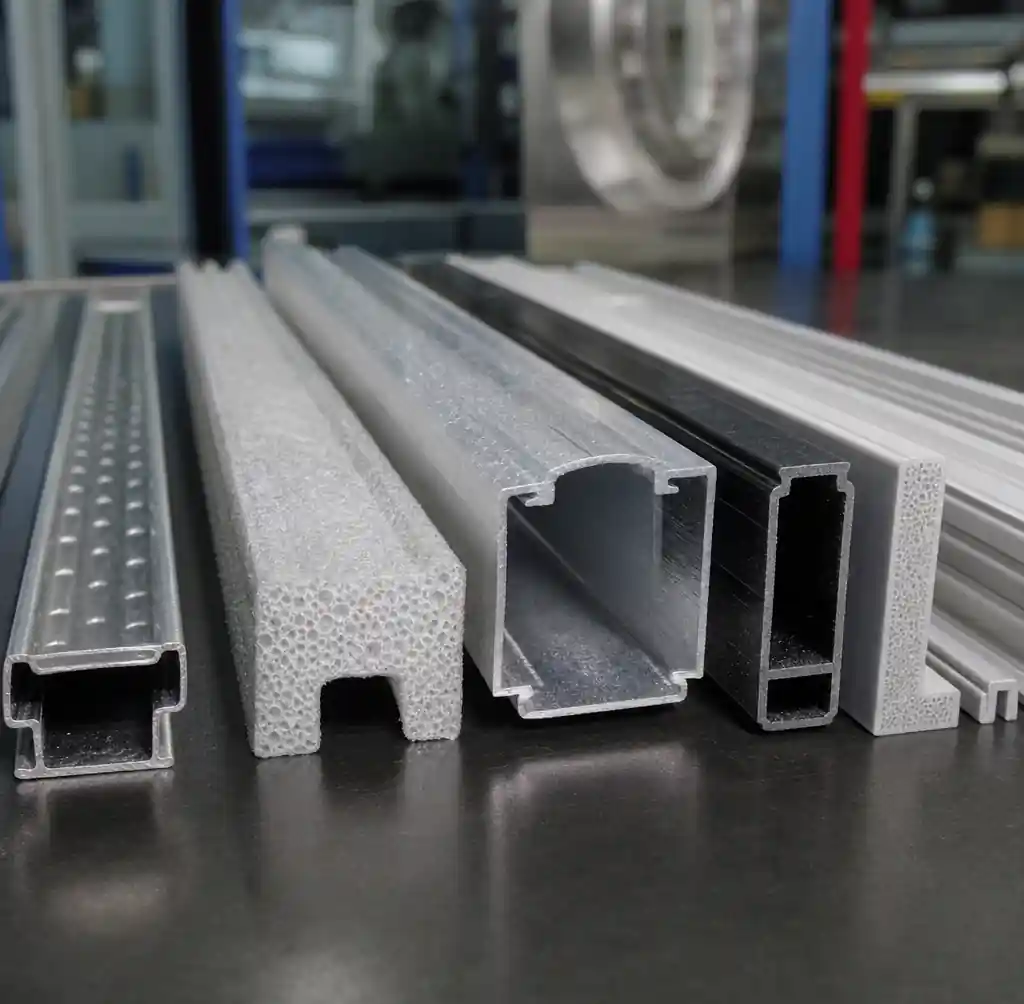
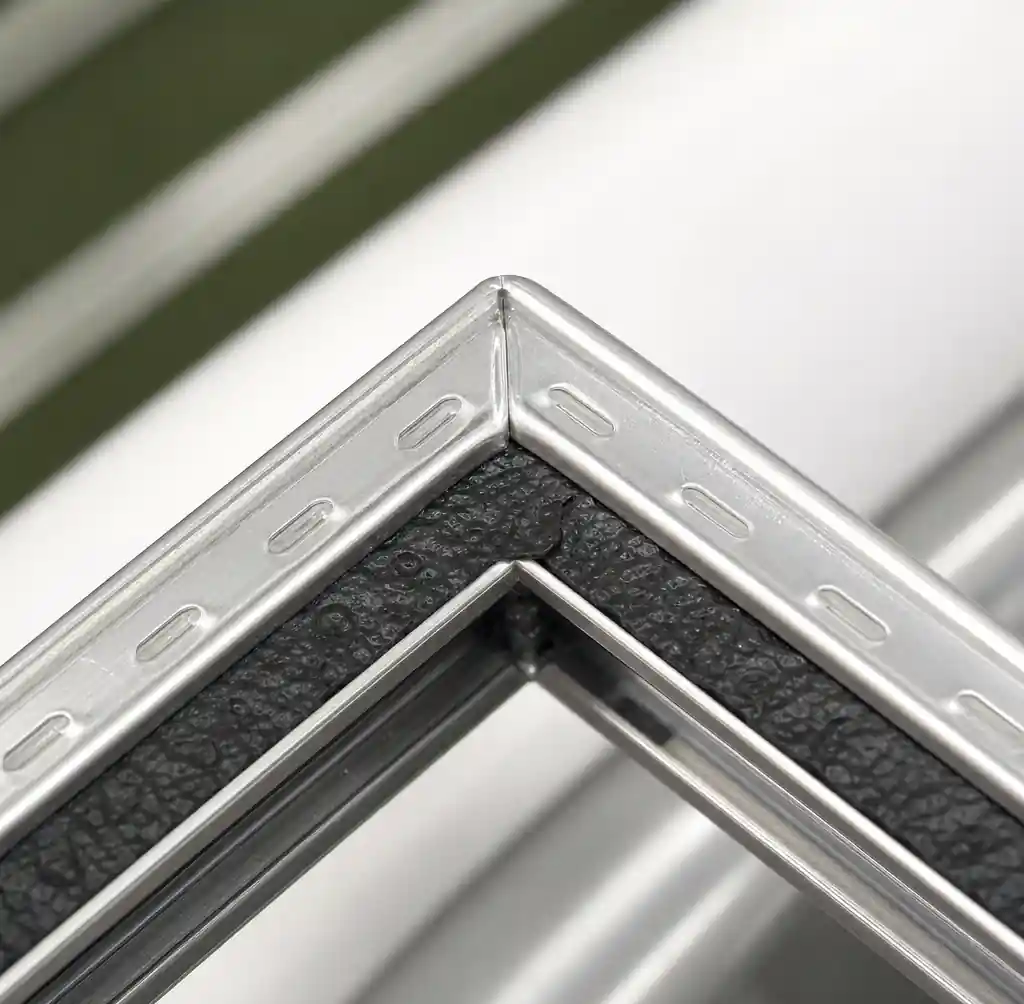
Stainless Steel Spacers: Thin-wall channels offer 85-90% thermal improvement over aluminum with excellent structural rigidity. Best for large commercial IGUs. Cost $8-12 per linear meter.
Structural Foam Spacers: Closed-cell foam provides superior thermal performance approaching gas cavity insulation value. Cost $10-20 per linear meter.
Thermoplastic Spacers (TPS): Rigid plastic with metal reinforcement and integrated desiccant. Continuous application eliminates corner joints. Cost $12-18 per linear meter.
Silicone Foam Spacers: Flexible foam with excellent thermal performance and seal durability. Requires specialized equipment. Cost $15-25 per linear meter.
Stainless steel spacers offer the best balance for most commercial projects.
Climate Zone Considerations
Cold Climates: Condensation resistance is critical. Specify warm edge with CRT ratings below -50°C for regions where outdoor temperatures drop below -20°C.
Hot Climates: Thermal bridging matters, but condensation risk is lower. Stainless steel spacers provide good value without premium cost.
Mixed Climates: Warm edge spacers reduce both winter heat loss and summer heat gain. Consider LEED and energy code requirements.
High-Humidity Applications: Specify premium warm edge (structural foam or TPS) for pools, spas, ice rinks, and sustained 60%+ relative humidity environments.
At Zhongbo Glass, we’ve supplied IGUs for projects from -40°C climates (Yabuli Forum) to +50°C desert conditions (Riyadh Airport).
Integration with Other IGU Components
Spacer performance interacts with glass selection, gas fill, and coatings to determine overall thermal performance.
Low-E Coating Position
Low-E coatings reduce center-of-glass U-values but don’t address edge thermal bridging. Pairing high-performance Low-E with aluminum spacers creates performance mismatch—excellent center, poor edge. For maximum Low-E benefit, specify warm edge spacers.
Gas Fill Retention
Argon or krypton gas fill reduces U-values by 25-30% compared to air. Gas retention depends on seal integrity and spacer structural stability.
Aluminum and stainless steel spacers with quality dual-seal corners maintain gas concentration above 80% for 20+ years. TPS spacers with continuous sealing show better retention. Poor-quality warm edge can fail faster than aluminum—material quality matters more than type.
Triple Glazing
Triple-glazed IGUs use two spacer cavities, doubling edge zone thermal bridging. We’ve seen triple-glazed units with aluminum spacers perform worse at the edge than double-glazed with warm edge.
For triple glazing, specify warm edge in both cavities. The incremental cost is small relative to glass and gas investment, ensuring edge performance matches center-of-glass gains.
Common Specification Mistakes
Specifying Warm Edge Without Verifying Fabricator Capability: Not all IGU shops have warm edge equipment. Verify capability during bidding to avoid substitution requests and delays.
Ignoring Climate-Specific CRT Requirements: Using a -45°C CRT spacer in a -5°C zone guarantees condensation problems. Match spacer CRT to your climate.
Mixing Aluminum and Warm Edge in Same Project: Maintain the same spacer type throughout a building facade for visual consistency. Edge condensation patterns will differ between units.
Overlooking Corner Fabrication Quality: The best spacer material with poor corner joints will fail. Specify dual-seal systems with mechanical or welded corners for large panels.
Focusing Only on First Cost: Aluminum spacers are cheaper upfront but may trigger energy code failures, condensation callbacks, and reduced IGU service life. Lifecycle cost analysis consistently favors warm edge in commercial applications.
FAQ
Can I upgrade existing IGUs from aluminum to warm edge spacers?
No. The spacer is permanently sealed inside the IGU during fabrication. Upgrading requires complete unit replacement.
Do warm edge spacers work with tempered and laminated glass?
Yes. Spacer compatibility is independent of glass type. We regularly produce warm edge IGUs with tempered glass and laminated glass for safety glazing projects.
How do I verify gas retention in warm edge IGUs?
Specify gas concentration testing per ASTM E2189. Quality warm edge systems maintain >90% initial gas concentration after 20 years.
Are warm edge spacers required for LEED certification?
LEED doesn’t explicitly mandate warm edge spacers, but meeting Energy & Atmosphere credit requirements often requires U-values achievable only with warm edge systems.
What’s the lifespan difference between aluminum and warm edge spacers?
Both systems can achieve 25-30 year service life with quality fabrication. Aluminum spacers tend to fail through edge condensation and seal stress from thermal cycling, while poor-quality warm edge may fail through structural compression.
Do structural foam spacers compress over time?
Modern structural foam uses closed-cell materials with engineered density to resist compression. Properly specified foam spacers show less than 2% compression after 20 years.
Conclusion
Aluminum spacers built the IGU industry, but physics hasn’t changed—metal conducts heat 200 times faster than air, creating thermal bridges that undermine glass performance. Warm edge spacers reduce edge heat loss by 20-30%, prevent condensation in most conditions, and deliver 5-10 year payback through energy savings.
For commercial projects targeting modern energy codes, warm edge is the standard. Stainless steel spacers offer the best balance of performance, cost, and availability. Structural foam and TPS systems deliver maximum thermal performance for high-performance buildings.
Spacer selection isn’t glamorous, but it’s consequential. Get it right, and your IGUs perform as designed for 25+ years. Get it wrong, and you’ll face condensation complaints and premature failure.
Zhongbo Glass manufactures insulated glass units with both aluminum and warm edge spacer systems across our three production lines. Contact us to discuss your commercial glazing project.