When specifying architectural glass for commercial projects, understanding warranty coverage isn’t just about protecting your investment—it’s about managing risk across the entire building lifecycle. After manufacturing over 12 million square meters of glass for landmark projects worldwide, we’ve seen how proper warranty knowledge prevents costly disputes and ensures long-term performance.
This guide breaks down what commercial glass warranties actually cover, the exclusions that catch most specifiers off guard, and the installation requirements that make or break your claim eligibility.
Understanding Commercial Glass Warranty Fundamentals
Commercial architectural glass warranties address structural performance, manufacturing defects, and material integrity under demanding conditions. Coverage depends on glass type, application environment, and installation compliance with manufacturer specifications.
Manufacturing warranties cover factory defects—not field damage, improper handling, or installation errors. Roughly 60% of warranty claims fail due to misunderstanding this boundary. A seal failure in an insulated glass unit from manufacturing defects qualifies; the same failure from impact damage during installation does not.
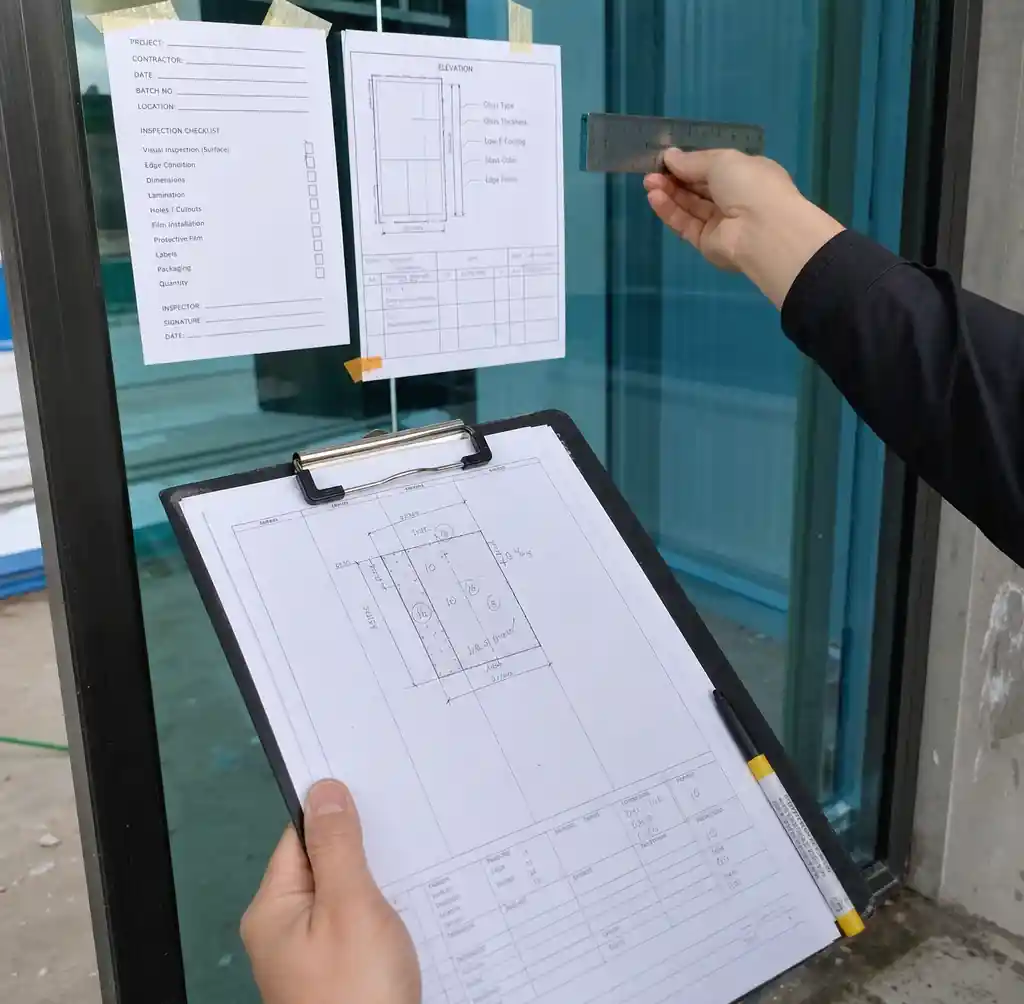
Warranty Periods by Glass Type: What the Industry Actually Offers
Different glass products carry different warranty periods based on their complexity and failure modes. Here’s what major commercial glass manufacturers typically provide:
| Glass Type | Standard Warranty Period | What’s Covered | Common Exclusions |
|---|---|---|---|
| Tempered Glass | 5-10 years | Spontaneous breakage from nickel sulfide inclusions (if heat-soaked), visible manufacturing defects | Impact damage, thermal stress breakage, edge damage, surface scratches |
| Laminated Glass | 10 years | Delamination, edge separation beyond 6mm, visible defects affecting clarity | Edge discoloration within 6mm, minor bubbles <3mm, UV-induced yellowing in non-UV-resistant interlayers |
| Insulated Glass Units (IGU) | 10-20 years | Seal failure causing fogging, condensation between panes, gas fill loss | External surface condensation, edge seal discoloration, broken glass from impact |
| Low-E Coated Glass | 10 years | Coating delamination, peeling, significant color shift | Minor color variation, edge corrosion from water exposure, scratches from abrasive cleaning |
| Curved Tempered Glass | 5-10 years | Manufacturing defects, optical distortion beyond tolerance | Flatness variation within spec, edge quality issues, stress patterns |
At Zhongbo Glass, our laminated glass manufactured on our 4.2m × 28m autoclave—the world’s largest—carries a 10-year warranty against delamination and seal failure. Our tempered glass produced on 3.66m × 28m tempering lines includes heat-soak treatment as standard, reducing spontaneous breakage risk to near zero.
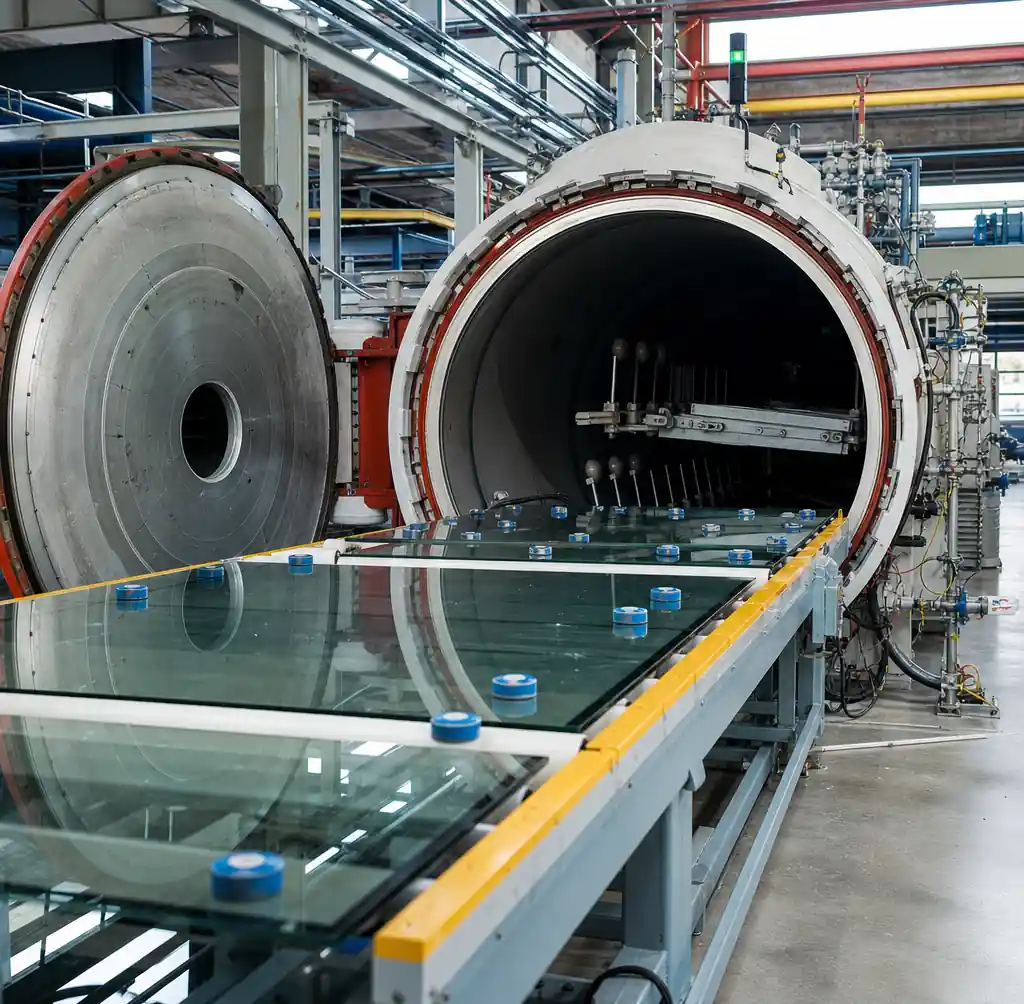
Manufacturing Defects: What Qualifies for Coverage
Warranty coverage triggers when defects originate during production and affect glass performance beyond acceptable industry standards.
Seal Failure in Insulated Glass: Moisture infiltration between panes causing permanent fogging. Coverage applies when failure occurs without physical damage. Manufacturers require the failure be visible from 3 meters distance.
Laminated Glass Delamination: Layer separation from interlayer (PVB or SGP) exceeding 6mm from glass edge. Minor edge separation within this zone is normal. Delamination from prolonged water exposure at unprotected edges is excluded.
Coating Defects: Low-E coatings that peel, blister, or show significant hazing qualify. Minor color variation (±3 Delta E) falls within tolerance. Damage from incompatible cleaning products voids coverage.
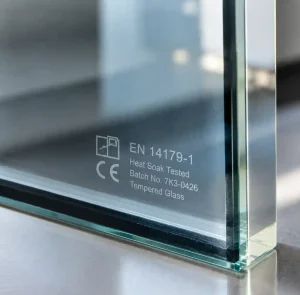
Spontaneous Breakage: Tempered glass fracture from nickel sulfide (NiS) inclusions. Heat-soak treatment reduces risk by 95%. Manufacturers only warrant spontaneous breakage when heat-soaking is specified and documented.
Optical Distortion: Visible waves or distortion beyond ASTM C1036 standards. Distortion within standard tolerances does not qualify.
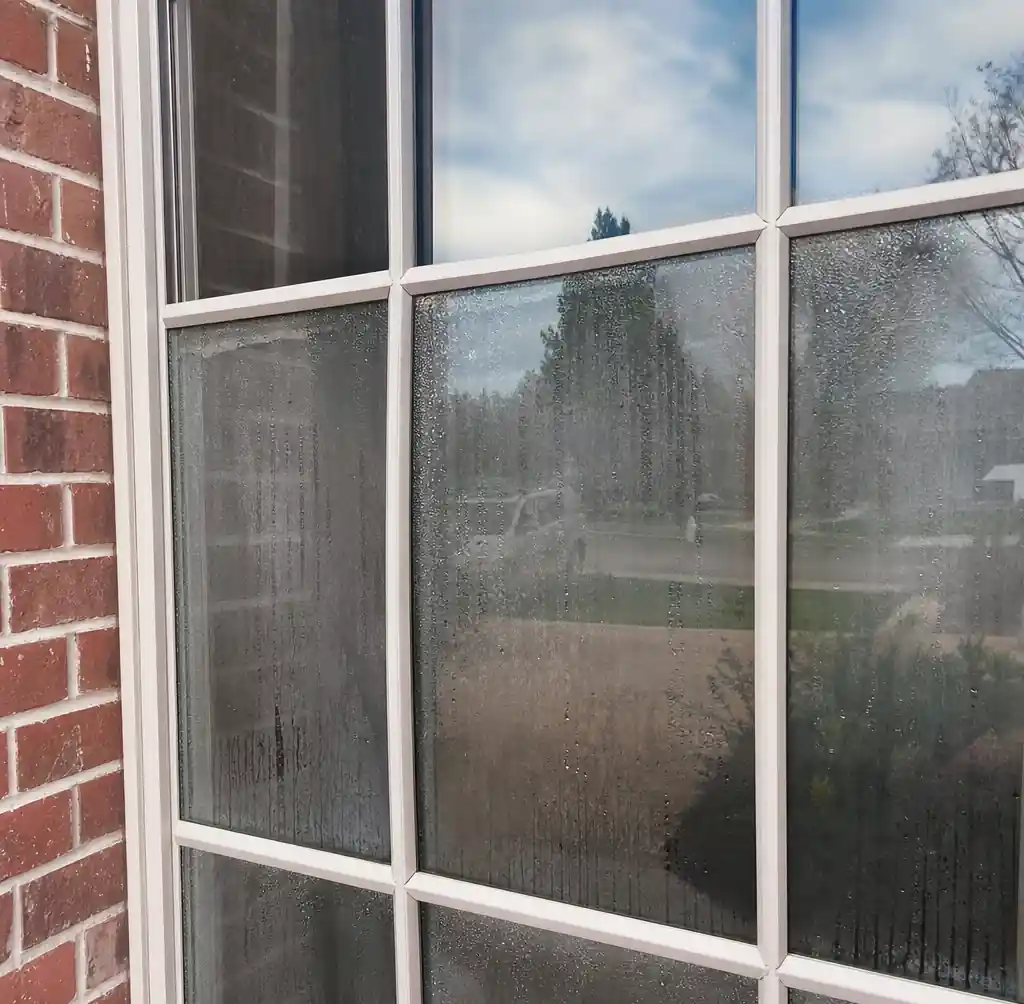
Installation Requirements That Validate Your Warranty
Most warranty claims fail because installation didn’t meet manufacturer requirements. These are contractual prerequisites, not suggestions.
Edge Clearance and Support: Glass edges must maintain 3-6mm clearance from frame contact. Setting blocks must be positioned at quarter points for lites over 2.5m. Improper support causes stress fractures.
Glazing Materials Compatibility: Only neutral-cure silicones are approved for Low-E glass; acidic cure corrodes coating edges, voiding warranty. Certain gaskets contain plasticizers that degrade laminated interlayers. Use only manufacturer-approved materials.
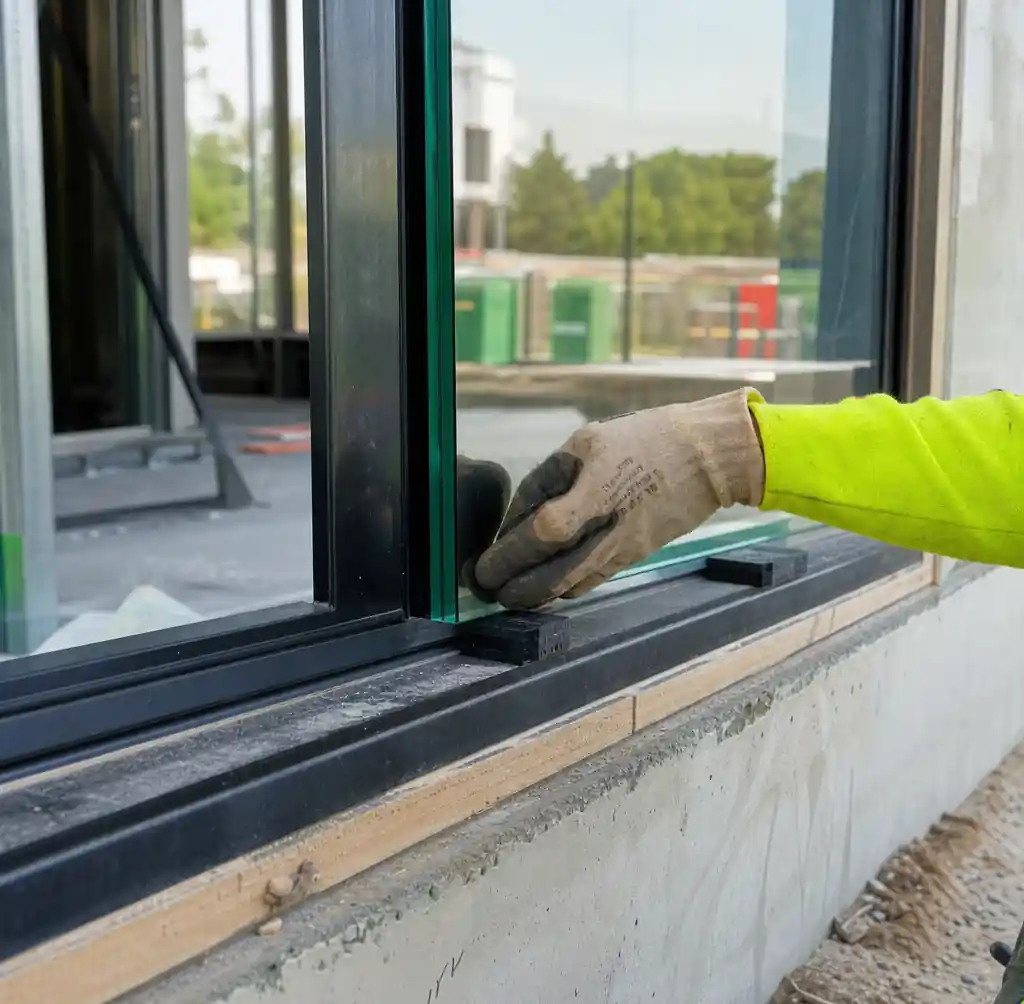
Drainage and Ventilation: IGU systems require weep holes and ventilation. Blocked drainage voids warranty coverage even when seal failure is manufacturing-related. Frames must allow air circulation to prevent thermal buildup.
Documentation Requirements: Claims require installation documentation proving compliance—photos of setting blocks, edge clearance measurements, sealant data sheets, installer certifications. Projects without documentation face automatic denial.
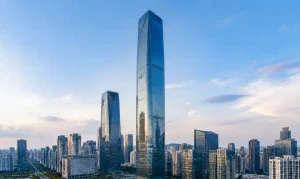
At the Tencent Cloud Tower where we supplied 7.6m × 3m curved laminated IGUs, we provided on-site supervision to ensure warranty compliance.
What’s Explicitly Excluded: The Fine Print That Matters
Understanding exclusions prevents unrealistic expectations and helps you specify appropriate glass for the application.
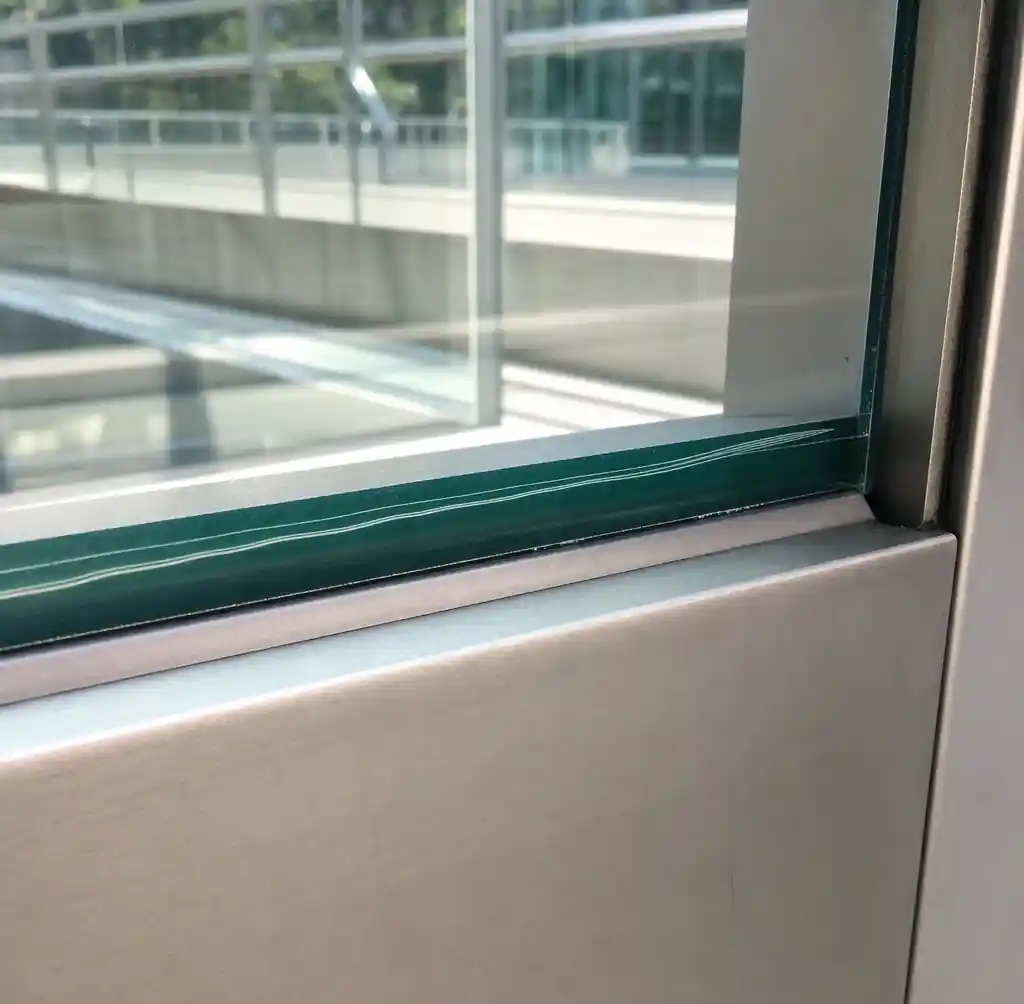
Impact and Breakage: Any glass breakage from impact—construction debris, building settlement, seismic movement, vandalism—is excluded. Even if weakened by a latent defect, coverage ends once physical damage occurs.
Edge Damage: Chips, cracks, or edge deterioration from handling, installation stress, or frame movement fall outside coverage. Damage here typically indicates installation issues rather than manufacturing defects.
Thermal Stress Breakage: Uneven heating (like shading patterns on partially covered lites) causes fracture. This is a design and installation issue, not a manufacturing defect.
Surface Degradation: Scratches, staining, or etching from cleaning chemicals, concrete splatter, welding sparks, or environmental fallout are excluded. Surface protection during construction is the contractor’s responsibility.
UV-Induced Changes: Standard PVB interlayers yellow over time with UV exposure—expected behavior, not a defect. UV-resistant interlayers prevent this but cost more.
Water Damage at Exposed Edges: Laminated glass edges exposed to standing water can delaminate. Excluded because proper installation includes edge protection or specifying edge-sealed laminated glass for wet applications.
Warranty Coverage Comparison: Standard vs. Extended Options
| Coverage Aspect | Standard Warranty | Extended Warranty | What to Consider |
|---|---|---|---|
| Duration | 5-10 years (glass type dependent) | 15-25 years available | Extended coverage costs 3-8% of glass value; justified for critical facades |
| Labor Coverage | Parts only—no installation labor | Parts + reinstallation labor included | Labor often exceeds material cost for large architectural glass |
| Transferability | Non-transferable (original buyer only) | Transferable to subsequent building owners | Essential for spec buildings or planned sales |
| Pro-Rata Terms | Full replacement early years, declining coverage after year 5 | Full replacement throughout term | Read the fine print—pro-rata reduces actual coverage significantly |
| Claim Processing | 30-60 day evaluation, replacement 60-90 days | Expedited 15-30 day turnaround | Critical for occupied buildings where delays disrupt operations |
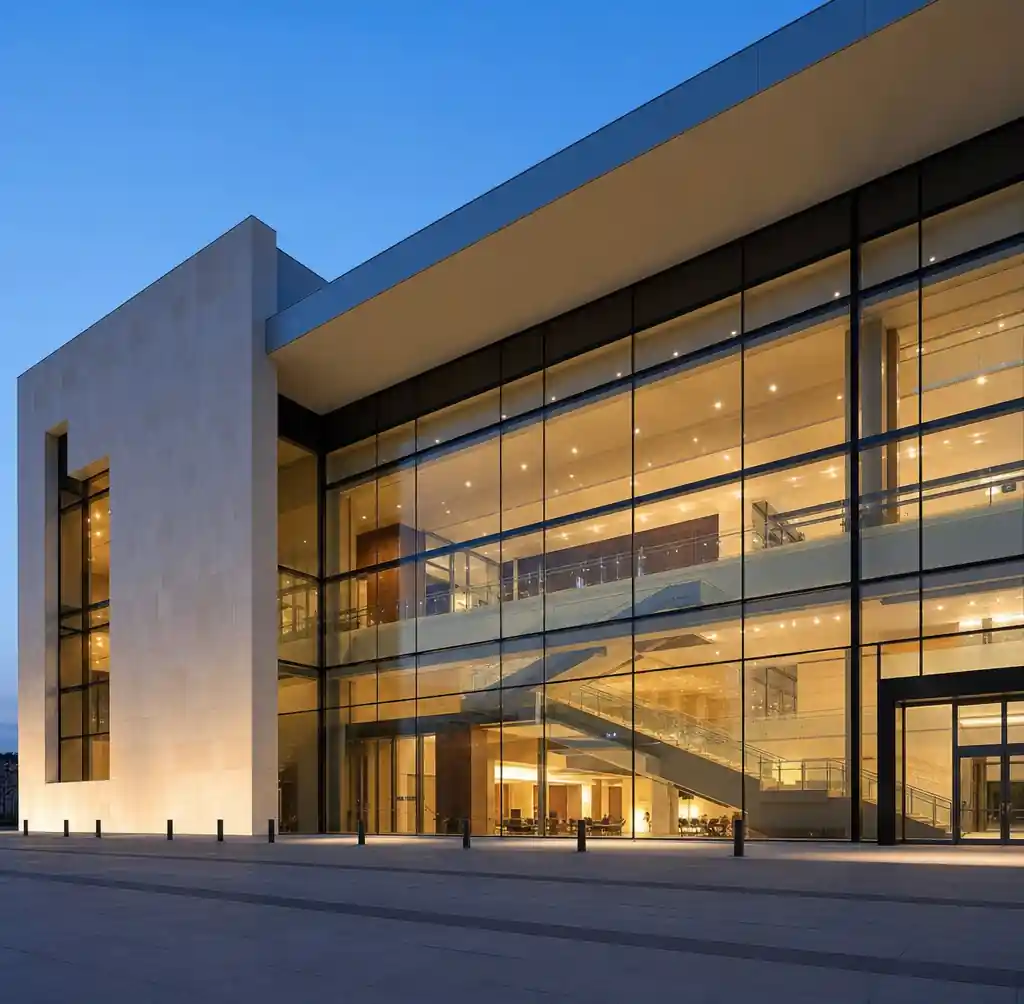
For high-profile projects, extended warranties with labor coverage make sense. When we supplied glass for the Chongqing Joy City project (2.5m × 16.7m IGUs), the developer opted for 20-year extended coverage with full labor inclusion.
The Claim Process: How to Actually File and Win
Understanding the claim process before problems arise improves your success rate.
Step 1: Document Immediately — Photograph defects from multiple angles with date stamps. Include wide shots and close-ups. Measure defect dimensions. Note glass location (building, floor, elevation, lite number).
Step 2: Isolate the Cause — Determine if the issue is actually a manufacturing defect. Check for impact evidence, thermal stress indicators, installation errors, or environmental damage.
Step 3: Gather Installation Documentation — Compile records proving compliance: installer certifications, material data sheets, setting block photos, edge clearance measurements, frame drainage verification.
Step 4: Submit a Formal Claim — Contact the manufacturer’s warranty department with your documentation. Include purchase orders, specifications, delivery dates, installation completion date, and defect details.
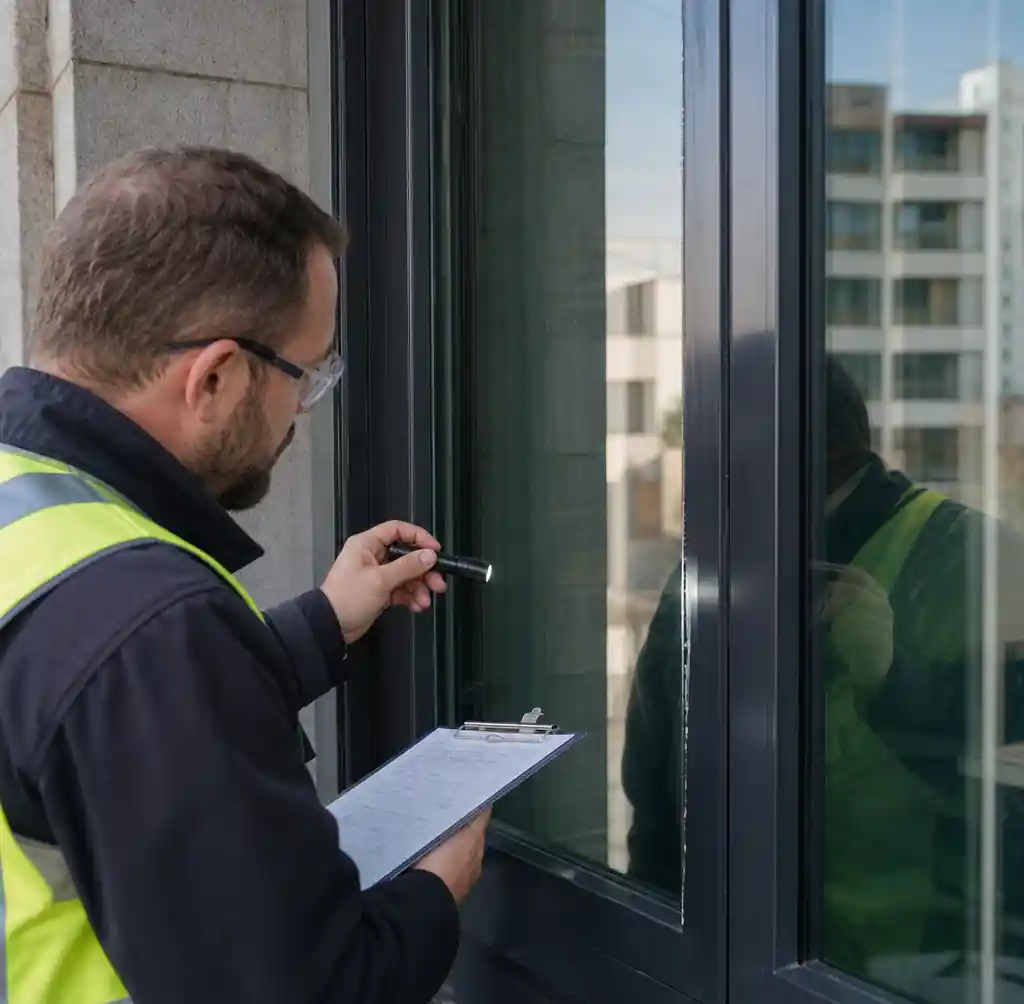
Step 5: Cooperate with Inspection — Manufacturers send technical representatives for on-site inspection. Provide access and cooperate fully. Their report determines claim approval.
Step 6: Review the Decision — If approved, review the proposed remedy—typically replacement glass or pro-rata credit. If denied, request written explanation referencing specific warranty clauses.
At Zhongbo Glass, our warranty team responds to claims within 48 hours and completes inspections within two weeks.
Real-World Warranty Scenarios: What Actually Happens
Scenario 1: IGU Seal Failure at Year 8 — A commercial tower experiences fogging in multiple IGUs eight years post-installation. Investigation reveals seal failure without physical damage. Because the project maintained proper frame drainage and used approved glazing materials, the claim is approved.
Scenario 2: Laminated Glass Delamination from Edge Exposure — A canopy uses laminated glass with exposed edges in a wet environment. After three years, edge delamination extends 15mm from the edge. Claim denied because edge protection is required for wet applications per installation guidelines.
Scenario 3: Tempered Glass Spontaneous Breakage — A glass floor panel shatters spontaneously without impact or thermal stress. The tempered glass was not heat-soaked. Claim denied because spontaneous breakage without heat-soaking is explicitly excluded.
Scenario 4: Coating Edge Corrosion — Low-E coated IGUs show edge corrosion after two years. Investigation reveals acidic-cure silicone was used despite warranty requirements specifying neutral-cure only. Claim denied due to installation non-compliance.
Maximizing Warranty Value: Strategic Approaches
Specify Heat-Soaked Tempered Glass for Critical Applications: Heat-soaking reduces spontaneous breakage risk by 95% and adds only 8-12% to tempered glass cost. Essential for overhead glazing, building entrances, and large structural lites where failure causes significant disruption.
Require Installer Pre-Qualification and Documentation Plans: Include warranty compliance as a contractual requirement. Require photo documentation of setting blocks, edge clearances, drainage provisions, and material certifications before substantial completion.
Understand Pro-Rata Terms: Many warranties shift to pro-rata coverage after initial years. A “10-year warranty” might provide full replacement for years 1-5, then declining coverage (80%, 60%, 40%, 20%) for years 6-10.
Negotiate Labor Coverage for Large-Format Glass: Standard warranties cover glass replacement but not removal, disposal, and reinstallation. For large architectural glass, labor can exceed glass cost by 3-5x.
Maintain Installation Records Independently: Don’t rely on contractors to maintain warranty documentation. Assign a project team member to collect and archive installation photos, material certifications, and compliance records.
Frequently Asked Questions
How long should architectural glass last beyond the warranty period?
Properly installed architectural glass typically performs 30-50+ years. Warranty periods (5-20 years) cover manufacturing defects, not product lifespan. Tempered and laminated glass maintain structural performance indefinitely if not physically damaged. IGU seal life averages 20-30 years but depends heavily on climate exposure and drainage adequacy.
Does warranty coverage transfer if I sell the building?
Standard warranties are non-transferable—they cover the original purchaser only. This limitation affects building resale value because the new owner assumes glass replacement risk. Extended warranties from some manufacturers include transferability provisions, typically requiring notification and a nominal transfer fee.
What happens if the glass manufacturer goes out of business?
Warranty claims become complicated if the manufacturer ceases operations. Some industry associations provide backup warranty programs, but coverage is limited. For critical projects, consider manufacturers with long operating histories and financial stability.
Can I modify warranty terms through negotiation?
Yes, especially for large projects. Standard warranties are starting points. Custom warranty terms for projects exceeding 50,000 square meters can include extended durations, labor coverage, expedited claim processing, and performance guarantees.
Are there industry standards governing glass warranties?
No universal standard exists. The Glass Association of North America (GANA) provides guidelines, but warranty terms remain manufacturer-specific. International standards (ASTM, EN) define acceptable tolerances and defects but don’t mandate warranty durations.
What’s the difference between warranty and building code compliance?
Building codes establish minimum safety standards; warranties address manufacturing defects and longevity. Glass can meet all codes yet still have manufacturing defects covered by warranty. Code-compliant installation doesn’t automatically validate warranty coverage—you must also meet manufacturer-specific requirements.
Conclusion
Architectural glass warranties protect against manufacturing defects, not field damage or installation errors. Coverage value depends on understanding what qualifies as a defect, meeting installation requirements, and maintaining compliance documentation.
Impact damage, incompatible installation materials, edge protection failures, and missing documentation kill most claims regardless of warranty duration. Proper specification and installation compliance convert warranty documents from legal paperwork into genuine asset protection.
At Zhongbo Glass, we’ve manufactured architectural glass for over 200 landmark projects globally. Our 10-year standard warranties on laminated glass and insulated glass products reflect manufacturing confidence. Warranty value ultimately depends on correct specification, proper installation, and thorough documentation.